
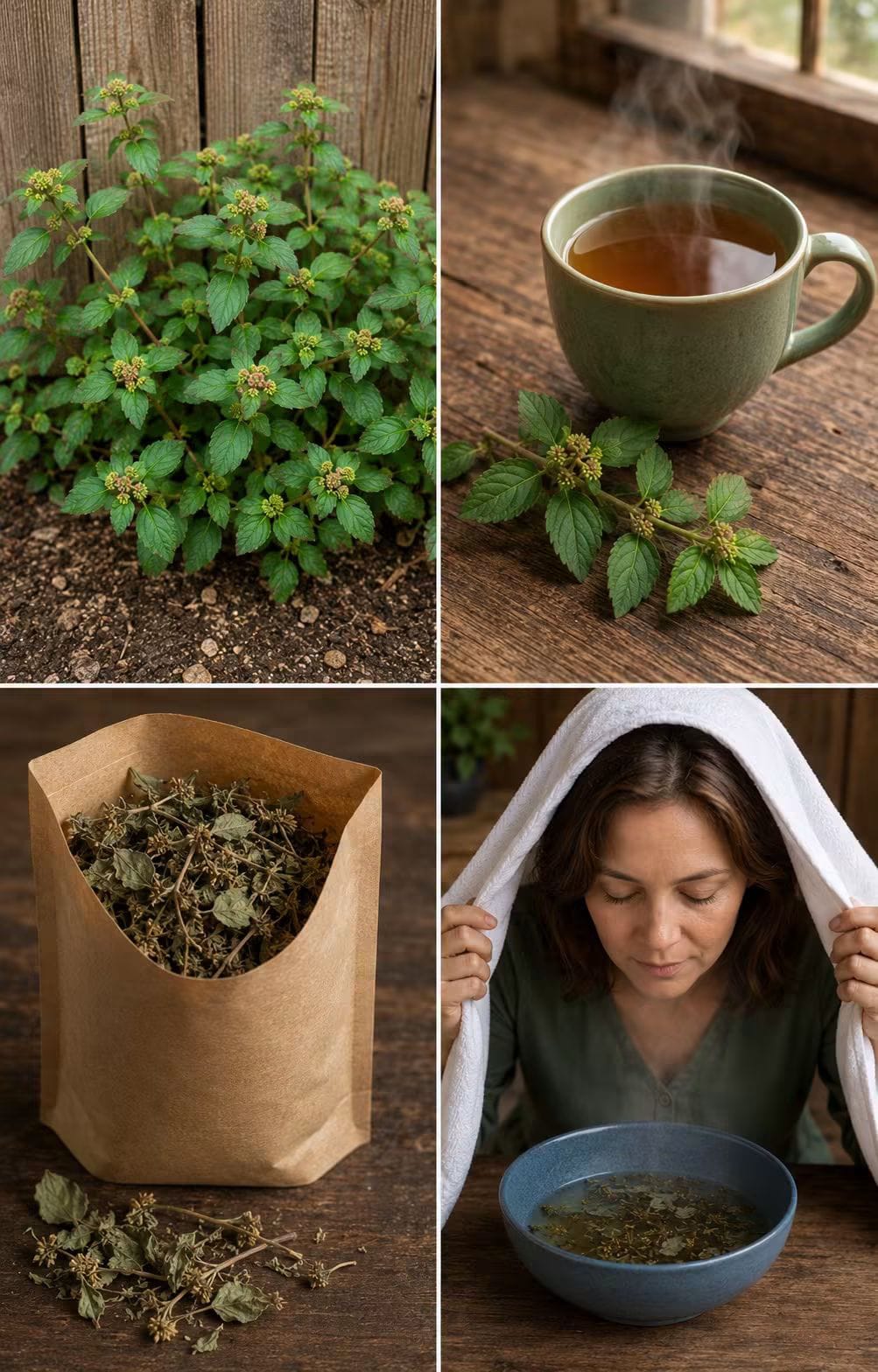
Introduction
Euphorbia hirta, sometimes called asthma plant, is a small flowering herb traditionally used in several regions of Asia, Africa, and other tropical areas. It has attracted attention because it contains various natural plant compounds and has a long history in traditional herbal practices. However, describing it as a “miraculous” cure would be misleading: scientific research is still developing, and traditional use does not guarantee that a treatment is safe or effective.
Origin
Euphorbia hirta belongs to the Euphorbiaceae family. It grows naturally in warm tropical and subtropical environments and can often be found in fields, gardens, roadsides, and disturbed soils.
Over time, the plant has been incorporated into traditional practices in different cultures, where preparations such as teas or decoctions have been used for various purposes.
Cultural Significance
Traditional knowledge surrounding Euphorbia hirta has been passed down through generations in several parts of the world. The herb represents the importance of local plants in traditional wellness practices and ethnobotanical knowledge.
In many communities, medicinal plants are valued not only for their potential practical uses but also as part of cultural heritage. Modern scientific research is now investigating some of the compounds found in Euphorbia hirta, although more high-quality human studies are needed.
Ingredients
Basic Euphorbia hirta Herbal Preparation
| Ingredient | Quantity |
|---|---|
| Properly identified, clean dried Euphorbia hirta | 1 teaspoon |
| Water | 1 cup (240 ml) |
Important: Correct plant identification is essential. Some plants in the Euphorbia genus can cause irritation or toxicity, and herbal preparations should not be made from plants that have not been reliably identified.
Optional Additions
Depending on personal taste, a mild herbal drink may include:
- A small amount of honey for sweetness
- A slice of lemon for flavor
- Ginger for a warm, spicy taste
- Mint leaves for freshness
These additions improve flavor but do not turn the preparation into a proven treatment for disease.
Tips for Success
- Use only properly identified and clean plant material.
- Avoid plants collected from roadsides or areas exposed to pesticides and pollution.
- Start cautiously with unfamiliar herbs.
- Do not assume that “natural” automatically means safe.
- Avoid combining herbal preparations with medications without consulting a qualified healthcare professional.
- Children, pregnant or breastfeeding individuals, and people with medical conditions should seek professional advice before using medicinal herbs.
Instructions
- Bring 1 cup of water to a gentle boil.
- Add 1 teaspoon of properly identified dried Euphorbia hirta.
- Remove from direct heat and allow the herb to steep briefly.
- Strain carefully.
- Allow the drink to cool to a comfortable temperature.
- Add optional lemon, honey, ginger, or mint if desired.
This preparation should be considered a traditional herbal beverage, not a replacement for medical diagnosis or treatment.
Description
Euphorbia hirta is generally a small herb with branching stems and tiny flowers. Like other members of the Euphorbia family, it may produce a milky latex when damaged. Because plant identification can be difficult, caution is especially important when harvesting wild plants.
The herb contains naturally occurring phytochemicals that researchers have studied in laboratory settings. Laboratory findings, however, do not automatically prove the same effects occur safely or effectively in humans.
Nutritional Information
Unlike common foods, there is no standardized nutritional profile for a homemade Euphorbia hirta infusion. The final composition can vary depending on:
- The plant’s growing conditions
- The part of the plant used
- Whether the herb is fresh or dried
- The amount used
- The preparation method
A plain, unsweetened herbal infusion is generally low in calories, but precise nutritional values cannot be reliably assigned without laboratory analysis.
Potential Traditional and Research Interests
Euphorbia hirta has traditionally been used in connection with several wellness concerns. Research has explored its possible antioxidant, antimicrobial, anti-inflammatory, and other biological activities. However, much of this evidence comes from laboratory or animal studies, and strong clinical evidence in humans is limited.
Therefore, it should not be promoted as a guaranteed cure for asthma, infections, digestive disorders, or any other medical condition.
Conclusion
Euphorbia hirta is a fascinating herb with a rich history of traditional use and growing scientific interest. Its natural compounds make it an important subject for ethnobotanical and pharmacological research. Nevertheless, the phrase “miraculous herb” should be understood as promotional rather than scientific.
Respecting traditional knowledge while following modern safety and scientific evidence is the most responsible approach.
Recommendation
If you are interested in Euphorbia hirta:
- Learn how to identify the plant correctly.
- Use caution with homemade herbal remedies.
- Choose reliable, professionally prepared herbal products when appropriate.
- Consult a qualified healthcare professional before using it for a medical condition.
- Seek medical care for persistent, severe, or worsening symptoms.
Embracing Healthful Indulgence
Exploring herbs can be a wonderful way to appreciate nature, traditional knowledge, and diverse culinary and cultural practices. The healthiest approach is to enjoy herbal traditions with curiosity, balance, and caution.
Euphorbia hirta may hold interesting potential, but true wellness comes from combining nutritious food, hydration, adequate sleep, physical activity, and appropriate medical care when needed. Rather than searching for a single “miracle” ingredient, embracing a balanced lifestyle offers a safer and more sustainable path toward well-being.