
Introduction
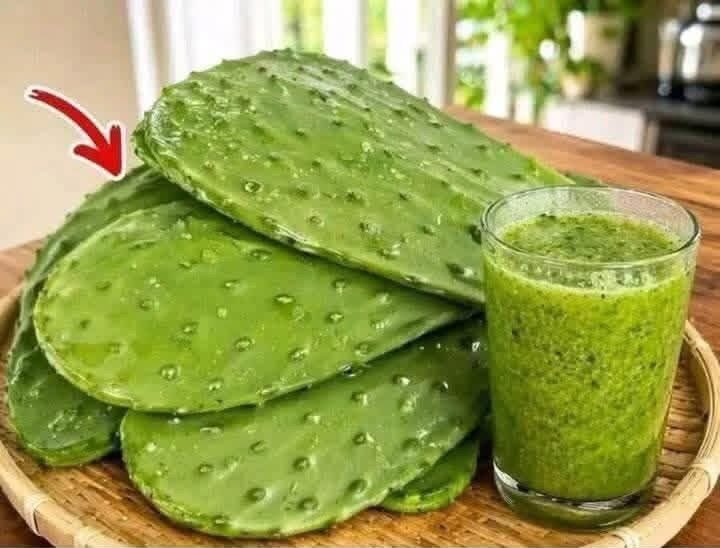
Prickly pear cactus drink is a refreshing, naturally colorful beverage made from the sweet fruit of the Opuntia cactus. Known for its vibrant red, pink, orange, or green tones depending on the variety, prickly pear has a mildly sweet flavor that works beautifully in fresh juices and smoothies.
Beyond its attractive color, prickly pear contains vitamin C and various plant compounds, including betalains, phenolic compounds, flavonoids, and carotenoids. Research has identified antioxidant activity in prickly pear fruit, although many health claims surrounding the fruit are stronger than what current human research can definitively prove.
This recipe combines prickly pear with cucumber, leafy greens, lime, and ginger for a refreshing drink that can be enjoyed as part of a balanced diet.
Origin
Prickly pear belongs to the Opuntia genus of the cactus family and is native to Mexico. From Mexico, different Opuntia species spread throughout Central and South America and eventually to Mediterranean regions and other parts of the world.
The plant has a particularly long history as a food in Mexico. Historical sources describe its use by Indigenous communities for food, beverages, medicine, and other purposes.
Today, prickly pear is enjoyed fresh and is also used in juices, jams, desserts, syrups, sauces, and other food products.
Cultural Significance
Prickly pear has deep cultural importance in Mexico. The cactus is strongly associated with the Mexican landscape and has been an important food resource for centuries. FAO historical records describe Opuntia as an important component of traditional Mexican food systems and note its use as a beverage and medicinal plant.
The image of the eagle perched on a prickly pear cactus is also part of the traditional symbolism associated with the founding story of Mexico-Tenochtitlan and is reflected in Mexico’s national emblem.
Its importance extends beyond food: Opuntia has historically provided fruit, edible pads, beverages, dyes, and resources adapted to dry environments.
Ingredients & Quantity
Makes: 2 servings
- 3 ripe prickly pears (tunas), approximately 250–300 g
- 1 small cucumber
- 1 cup fresh spinach
- ½ green apple
- 1 tablespoon fresh lime juice
- ½ teaspoon freshly grated ginger
- 1 cup cold water
- 4–5 ice cubes
- 1 teaspoon honey or maple syrup, optional
Important preparation note
Prickly pears have tiny seeds that can be hard and unpleasant to chew. After peeling the fruit, blend it and strain the juice through a fine-mesh sieve if you prefer a smoother drink.
Optional Additions
You can easily customize this drink according to your taste:
- Mint: Adds a cool, refreshing flavor.
- Lemon: Provides additional citrus brightness.
- Celery: Gives the juice a more pronounced green-juice flavor.
- Pineapple: Adds natural sweetness.
- Coconut water: Creates a tropical variation.
- Chia seeds: Adds texture and fiber.
- Parsley: Gives the drink a stronger herbal character.
- Turmeric: Adds earthy flavor and vibrant color.
If using naturally sweet fruits such as pineapple or apple, additional sugar usually isn’t necessary.
Tips for Success
1. Choose ripe prickly pears
Look for fruits that have rich, even coloring and yield slightly when gently pressed.
2. Handle the fruit carefully
Even when commercially prepared, prickly pears may have tiny hair-like spines called glochids. Use gloves or carefully wash and handle the fruit before peeling.
3. Remove the skin completely
Cut off both ends, make a shallow lengthwise cut through the skin, and peel it away from the fruit.
4. Strain for a smoother drink
The seeds are edible but can make the beverage gritty. Straining produces a smoother juice.
5. Don’t overdo the sweetener
Prickly pear and apple already provide natural sweetness. Taste the drink before adding honey.
6. Drink it fresh
For the best flavor, consume the juice soon after preparation and keep it refrigerated if you are not drinking it immediately.
Instructions
- Prepare the prickly pears: Carefully peel the prickly pears and discard the skins.
- Cut the fruit: Chop the peeled fruit into smaller pieces.
- Prepare the vegetables: Wash the cucumber and spinach. Chop the cucumber and apple.
- Blend: Add prickly pear, cucumber, spinach, apple, lime juice, ginger, and water to a blender.
- Blend until smooth: Process for approximately 45–60 seconds.
- Strain: Pour the mixture through a fine-mesh sieve if you want a smooth juice.
- Taste: Add a small amount of honey or maple syrup if needed.
- Serve: Pour over ice and garnish with a slice of lime or a few mint leaves.
Description
This prickly pear cactus drink has a refreshing combination of fruity sweetness, cucumber freshness, citrus acidity, and a gentle hint of ginger. The spinach gives it a beautiful green character while the prickly pear contributes its distinctive color and flavor.
The result is a light, refreshing beverage that can work well alongside breakfast, lunch, or as an afternoon drink.
Nutritional Information
The exact nutrition will depend on the size and variety of the fruit and the amount of apple, cucumber, and sweetener used. Prickly pear provides water, carbohydrates, fiber, vitamin C, and various phytochemicals.
Research has identified compounds in prickly pear such as betalains, phenolic compounds, flavonoids, carotenoids, and ascorbic acid. These compounds contribute to the fruit’s antioxidant properties.
However, it is important to distinguish between nutritional evidence and medical claims. Laboratory and preliminary research suggests potentially beneficial biological activities, but that does not mean drinking prickly pear juice can prevent or treat diseases.
For example, a systematic review examining prickly pear products and blood glucose found insufficient evidence to recommend Opuntia fruit products as a treatment or complementary therapy for type 2 diabetes.
So, the most reasonable description is that this is a nutrient-rich fruit and vegetable drink, rather than a medical treatment or “detox.”
The Facts Behind the Health Claims
Antioxidants: Supported, but don’t overstate the claim
Prickly pear contains several antioxidant-related compounds, including betalains and phenolic compounds. Studies have demonstrated antioxidant activity in prickly pear extracts and fruit.
However, antioxidant activity measured in a laboratory does not automatically translate into a specific disease-prevention effect in humans.
Hydration: Reasonable
Because the recipe contains water-rich fruits and vegetables plus added water, it can contribute to daily fluid intake.
Digestion: Potentially helpful
Whole prickly pear contains dietary fiber, but straining the drink removes some of that fiber. If maximizing fiber is your goal, consider making a smoothie rather than a strained juice.
Blood sugar: Evidence is limited
Some research has investigated Opuntia and glucose metabolism, but evidence is not strong enough to present prickly pear juice as a diabetes treatment.
“Detox”: A misleading claim
There is no good reason to describe this drink as a detoxification treatment. Your body already has organs such as the liver and kidneys that perform detoxification functions. This beverage is better presented as a refreshing way to consume fruit and vegetables.
Conclusion
Prickly pear cactus drink is a colorful, refreshing recipe that combines the distinctive flavor of cactus pear with nutrient-rich fruits and vegetables. Its long history, particularly in Mexico, gives the humble cactus an interesting cultural story, while modern research has identified several potentially valuable plant compounds in the fruit.
The healthiest approach is to appreciate prickly pear for what it genuinely offers: a flavorful fruit containing vitamins, fiber, and bioactive plant compounds, rather than treating it as a miracle ingredient.
Recommendation
For the best everyday version, use ripe prickly pears, cucumber, spinach, lime, ginger, and a small amount of apple. Avoid adding large amounts of sugar or syrup.
If you want more fiber, make it as a smoothie and don’t strain it. If you prefer a lighter, smoother beverage, strain the mixture before serving.
Most importantly, enjoy prickly pear as one nutritious food among many rather than relying on it to treat a health condition.
Embracing Healthful Indulgence
Healthy eating does not have to mean giving up flavor. This prickly pear drink demonstrates how naturally colorful ingredients can create something both enjoyable and nutritious.
Its vibrant appearance, refreshing flavor, and interesting cultural history make it an appealing addition to a balanced lifestyle. Enjoy it chilled on a warm day, alongside a wholesome breakfast, or as a fresh alternative to heavily sweetened beverages.
Healthful indulgence is about balance: choose whole, minimally processed ingredients, appreciate their natural flavors, and enjoy them without unrealistic promises about what they can do for your health.