
Introduction
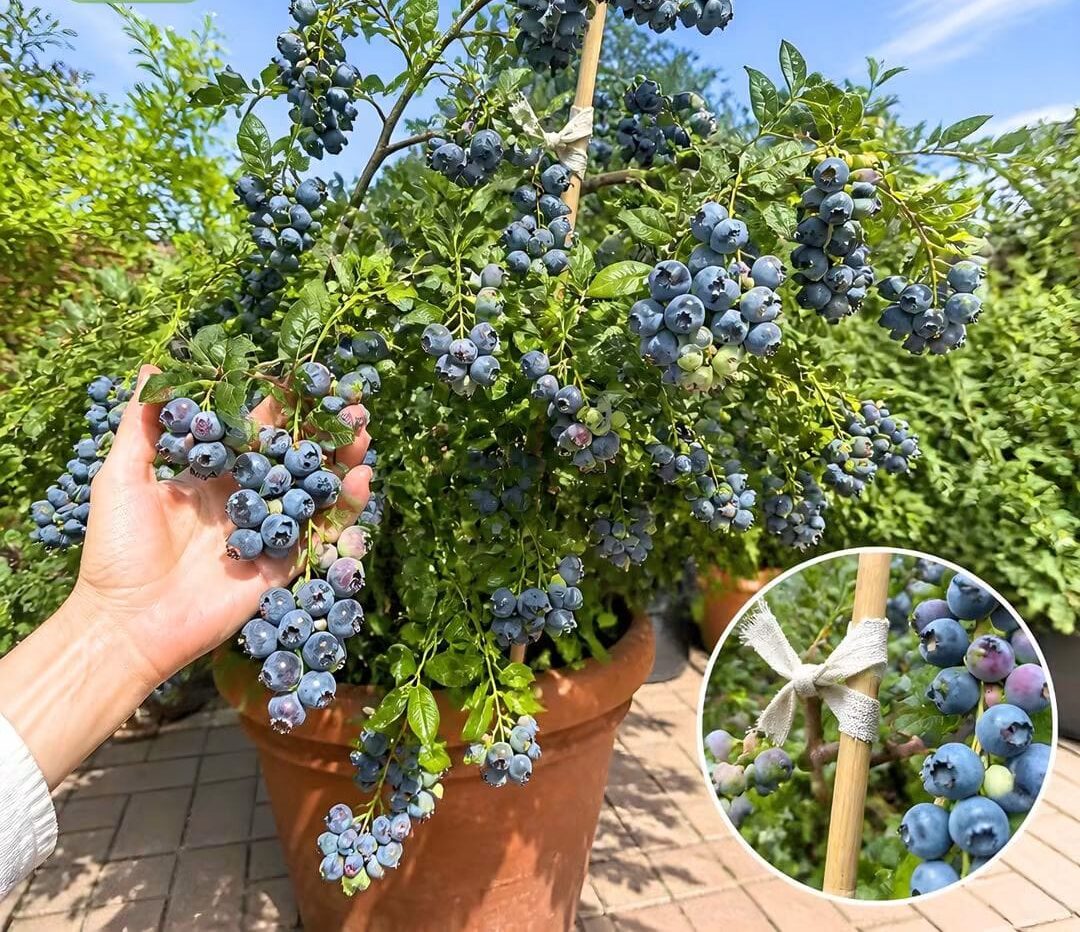
You don’t need acres of garden space to enjoy fresh, homegrown blueberries. A sunny balcony, patio, terrace, or small outdoor corner can provide enough room to grow these delicious berries successfully. With a properly prepared container, suitable soil, and regular care, blueberry plants can thrive and produce flavorful fruit even in limited spaces.
Container gardening makes blueberry growing accessible to people who do not have a traditional garden. It also allows you to control important growing conditions, especially soil quality and drainage.
Origin
Blueberries are native primarily to North America, where different species have grown naturally for thousands of years. Indigenous peoples traditionally gathered and used wild blueberries as an important seasonal food.
Over time, blueberries became widely cultivated and are now grown in many parts of the world. Different varieties have been developed for various climates, making it possible for gardeners to choose plants suited to their local growing conditions.
Cultural Significance
Blueberries have long been valued as both a food and a symbol of seasonal abundance. In North American food traditions, they are commonly used in pies, muffins, pancakes, jams, sauces, and other homemade dishes.
Today, growing blueberries at home has also become popular among urban gardeners. Container-grown plants represent a simple way to connect with nature, produce fresh food, and make productive use of small outdoor spaces.
Ingredients and Quantity
Although this is a gardening project rather than a traditional recipe, successful blueberry growing requires the right “ingredients.”
- 1 blueberry plant suited to your climate
- 1 large container, preferably at least 40–50 cm wide and deep
- Acidic potting mix, enough to fill the container
- Organic material, such as pine bark or other suitable amendments
- Mulch, enough to cover the soil surface lightly
- Water, as needed to keep the soil consistently moist
- Fertilizer formulated for acid-loving plants, used according to the product instructions
Optional Additions
You can improve your container blueberry garden with a few helpful additions:
- A second compatible blueberry variety to encourage better pollination and potentially improve fruit production
- A layer of pine bark or similar mulch to help retain moisture
- A plant support or protective covering if needed
- A saucer or drip tray for balconies, provided excess water does not remain around the roots
- A sunny location receiving several hours of direct sunlight daily
- Plant labels to keep track of different varieties
Tips for Success
Choose the Right Variety
Select a blueberry variety suited to your local climate. Some varieties require more winter chilling than others, so choosing the right type is essential.
Use Acidic Soil
Blueberries prefer acidic growing conditions. Avoid simply using ordinary garden soil, which may not provide the drainage or acidity the plant needs.
Provide Plenty of Sunlight
Place the container in a bright, sunny location. Good sunlight helps support healthy growth and fruit production.
Keep the Soil Consistently Moist
Blueberry roots should not dry out completely, but the soil should also drain well. Check the moisture regularly, especially during warm weather.
Do Not Overfertilize
Too much fertilizer can stress the plant. Use a suitable fertilizer carefully and follow the instructions for the specific product.
Be Patient
Young blueberry plants may take time to become fully productive. With consistent care, a healthy plant can provide berries for multiple growing seasons.
Instructions
Step 1: Select Your Container
Choose a large container with drainage holes. A spacious container gives the roots room to develop and helps maintain more stable moisture levels.
Step 2: Prepare the Growing Mix
Fill the container with a well-draining, acidic potting mix suitable for blueberries. Avoid compacting the soil too firmly.
Step 3: Plant the Blueberry
Remove the plant carefully from its nursery container. Position it at approximately the same depth at which it was previously growing, then gently fill around the roots with the prepared growing mix.
Step 4: Water Thoroughly
Water the plant after planting so that the soil becomes evenly moist. Allow excess water to drain away.
Step 5: Add Mulch
Apply a light layer of suitable mulch around the surface of the container. Keep the mulch slightly away from the main stem.
Step 6: Find a Sunny Spot
Place the container where the plant can receive plenty of sunlight. A sunny balcony, patio, or terrace can work well.
Step 7: Maintain Regular Care
Check the soil regularly, water when necessary, and monitor the plant for healthy growth. Feed it appropriately with fertilizer designed for acid-loving plants.
Description
A container-grown blueberry plant can be both productive and decorative. Its green foliage, seasonal flowers, colorful berries, and changing leaves can add visual interest to a balcony or patio.
The greatest advantage is flexibility. Unlike plants grown directly in the ground, container blueberries can often be moved to take advantage of better sunlight or sheltered conditions.
Nutritional Information
Fresh blueberries are a naturally nutritious fruit and can be part of a balanced diet. They generally provide:
- Dietary fiber
- Vitamin C
- Vitamin K
- Manganese
- Natural plant compounds, including anthocyanins
The exact nutritional value depends on serving size and variety. Blueberries can be enjoyed fresh or added to yogurt, oatmeal, smoothies, salads, and desserts.
Conclusion
Growing blueberries in containers proves that limited space does not have to limit your gardening ambitions. With a large enough container, acidic and well-draining soil, regular moisture, and plenty of sunlight, even a small outdoor area can become a productive berry garden.
The key is to create the right environment for the plant and provide consistent care throughout the growing season.
Recommendation
For beginners, start with one or two healthy blueberry plants and focus on providing the correct soil and growing conditions. If space allows, growing more than one compatible variety may be beneficial for pollination and a potentially better harvest.
Choose containers that are large enough for long-term growth rather than very small pots, and select varieties appropriate for your climate.
Embracing Healthful Indulgence
Few things feel more rewarding than enjoying fruit you have grown yourself. Fresh blueberries can turn a simple breakfast, snack, or dessert into something colorful and naturally delicious.
Whether you have a large backyard or only a sunny balcony, container gardening offers an opportunity to enjoy the pleasure of growing your own food. A single well-prepared pot can become the beginning of a productive and enjoyable small-space garden.