
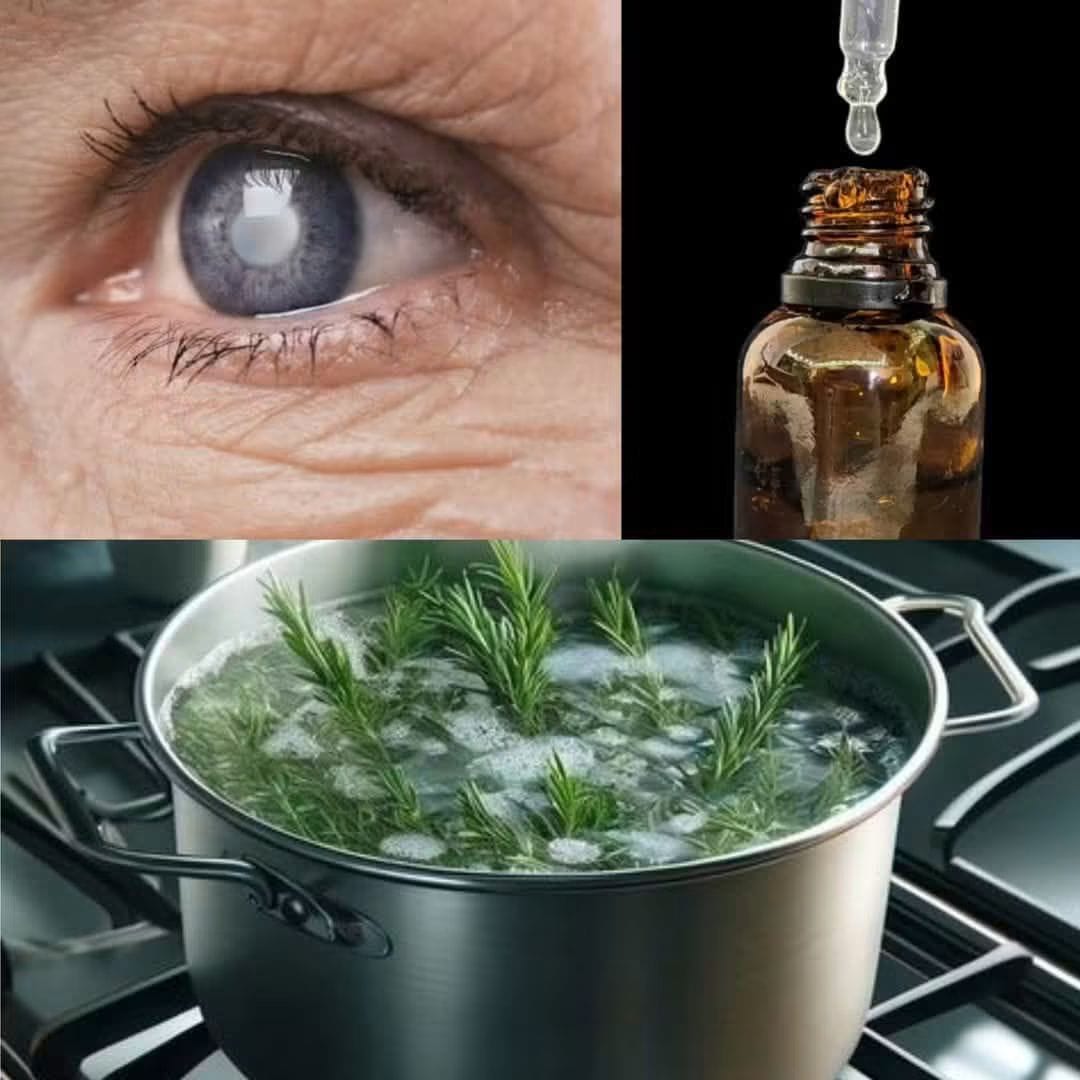
Important: Rosemary may be useful as a culinary herb, but homemade rosemary water should not be treated as an eye-drop treatment. Eyes are sensitive, and homemade liquids are not sterile.
Rosemary Water for Better Eyesight? The Truth About the Viral Eye-Drop Remedy
Introduction
Social media is full of viral home remedies claiming to improve vision naturally, and rosemary water has recently become one of them. Some posts suggest that rosemary-infused water can be used as homemade eye drops to sharpen eyesight or treat eye problems. However, there is an important difference between enjoying rosemary as a food or beverage and placing a homemade liquid directly into the eyes.
Current evidence does not show that rosemary water improves eyesight when used as eye drops. More importantly, eye drops need to be sterile, and homemade preparations can introduce contamination or irritation.
Origin
Rosemary, scientifically known as Salvia rosmarinus, is an aromatic herb traditionally associated with the Mediterranean region. For centuries, it has been used in cooking, traditional herbal practices, fragrances, and personal care.
Rosemary water is generally an infusion made by steeping rosemary leaves in water. Research has investigated some of rosemary’s plant compounds and, in limited studies, rosemary-containing drinks have been explored for possible effects on cognition. These findings should not be confused with evidence that rosemary water can treat vision problems.
Cultural Significance
Throughout history, rosemary has symbolized remembrance, friendship, and well-being in various Mediterranean and European traditions. It remains a popular culinary herb and is commonly used to flavor roasted foods, soups, breads, and herbal beverages.
Its long history in traditional practices helps explain why rosemary is often included in modern natural-health trends. However, traditional use alone does not establish that a remedy is safe or effective for use in the eyes.
Ingredients
If you simply want to prepare rosemary water as a beverage, the ingredients are straightforward:
- Fresh or dried culinary rosemary
- Clean drinking water
Important: This article does not recommend preparing rosemary water for use as eye drops.
Quantity
For a mild rosemary-infused drink, there is no medically established dosage specifically for improving eyesight. Rosemary water is not a standardized medicine, and research does not support a particular amount for treating eye conditions.
A moderate culinary infusion can be enjoyed for flavor, but it should not replace professional care for vision concerns.
Optional Additions
If making rosemary water as a drink, you may add ingredients for flavor, such as:
- Lemon slices
- Cucumber slices
- Mint
- A small amount of honey
These additions may make the beverage more enjoyable, but they do not turn rosemary water into a treatment for poor eyesight or eye disease.
Tips for Success
- Use rosemary as a food or beverage ingredient, rather than a substitute for medical treatment.
- Do not put homemade rosemary water into your eyes. Ophthalmic products must be sterile to reduce the risk of infection.
- Do not confuse rosemary water with rosemary essential oil. Essential oils are highly concentrated and are not appropriate substitutes for professionally formulated eye products.
- Be skeptical of dramatic vision claims. A natural ingredient may contain interesting compounds without being a proven treatment.
- Seek professional eye care for ongoing vision changes. Conditions affecting vision can have many causes and should not be self-treated with viral remedies.
Instructions
For a simple drinkable rosemary infusion:
- Rinse fresh rosemary if needed.
- Add a small amount of rosemary to hot water.
- Allow it to steep until the water develops a light herbal flavor.
- Strain and let it cool.
- Enjoy as a beverage.
Again, this preparation is for drinking—not for use in the eyes.
Description
Rosemary water is a fragrant herbal infusion with a fresh, earthy, slightly pine-like flavor. It can be served warm or chilled and may be a pleasant alternative to sugary drinks.
While rosemary contains naturally occurring plant compounds, evidence for rosemary water itself is limited, and findings involving extracts or specialized preparations cannot automatically be applied to a homemade infusion.
Nutritional Information
Plain rosemary water is generally very low in calories because it contains mostly water. The exact nutritional content depends on the amount of rosemary used and whether other ingredients, such as honey or fruit, are added.
Rosemary contains various plant compounds, including antioxidants, but drinking an herbal infusion should be viewed as part of an overall balanced diet rather than a cure or treatment for eye disease.
The Truth About Better Eyesight
At present, there is no good evidence that homemade rosemary water eye drops improve eyesight or treat common eye diseases. Reviews of herbal approaches for eye conditions have found insufficient evidence to support herbal medicines for conditions such as cataracts, glaucoma, and diabetic eye disease.
The safety issue is equally important. According to the FDA, products used in the eyes need to be sterile because the eye is particularly vulnerable to harm from contamination.
Conclusion
Rosemary is a flavorful and culturally important herb that can be enjoyed in cooking or as a mild herbal beverage. Some research has explored potential effects of rosemary-containing drinks on areas such as cognition, but this is entirely different from proving that rosemary water can restore or improve eyesight.
The viral claim that homemade rosemary water can function as an eye-drop remedy is not supported by reliable evidence, and putting a homemade herbal preparation into the eyes may create unnecessary risks.
Recommendation
Enjoy rosemary as a culinary herb or occasional beverage if it suits you, but do not use homemade rosemary water as eye drops.
If you experience blurred vision, eye pain, redness, discharge, or other changes in your vision, it is safer to speak with an eye-care professional. For eye treatment, use products specifically designed and manufactured for ophthalmic use.
Embracing Healthful Indulgence
Natural ingredients can absolutely have a place in a healthy lifestyle—but “natural” does not automatically mean safe or effective for every purpose. The healthiest approach is to enjoy rosemary for what it reliably offers: wonderful flavor, aroma, and a place in a varied diet.
Instead of chasing viral miracle cures, embrace evidence-based wellness: balanced meals, adequate hydration, regular eye examinations when needed, and proper treatment for genuine eye concerns. Rosemary water can be a refreshing drink, but your eyes deserve specially formulated, sterile care—not a homemade viral remedy.