
Introduction
Pumpkin seeds, also known as pepitas, are small but remarkably nutrient-dense foods. They provide protein, unsaturated fats, magnesium, zinc, fiber and plant compounds called phytosterols. Because of this nutritional profile, pumpkin seeds have attracted interest for supporting men’s health, including prostate and urinary health.
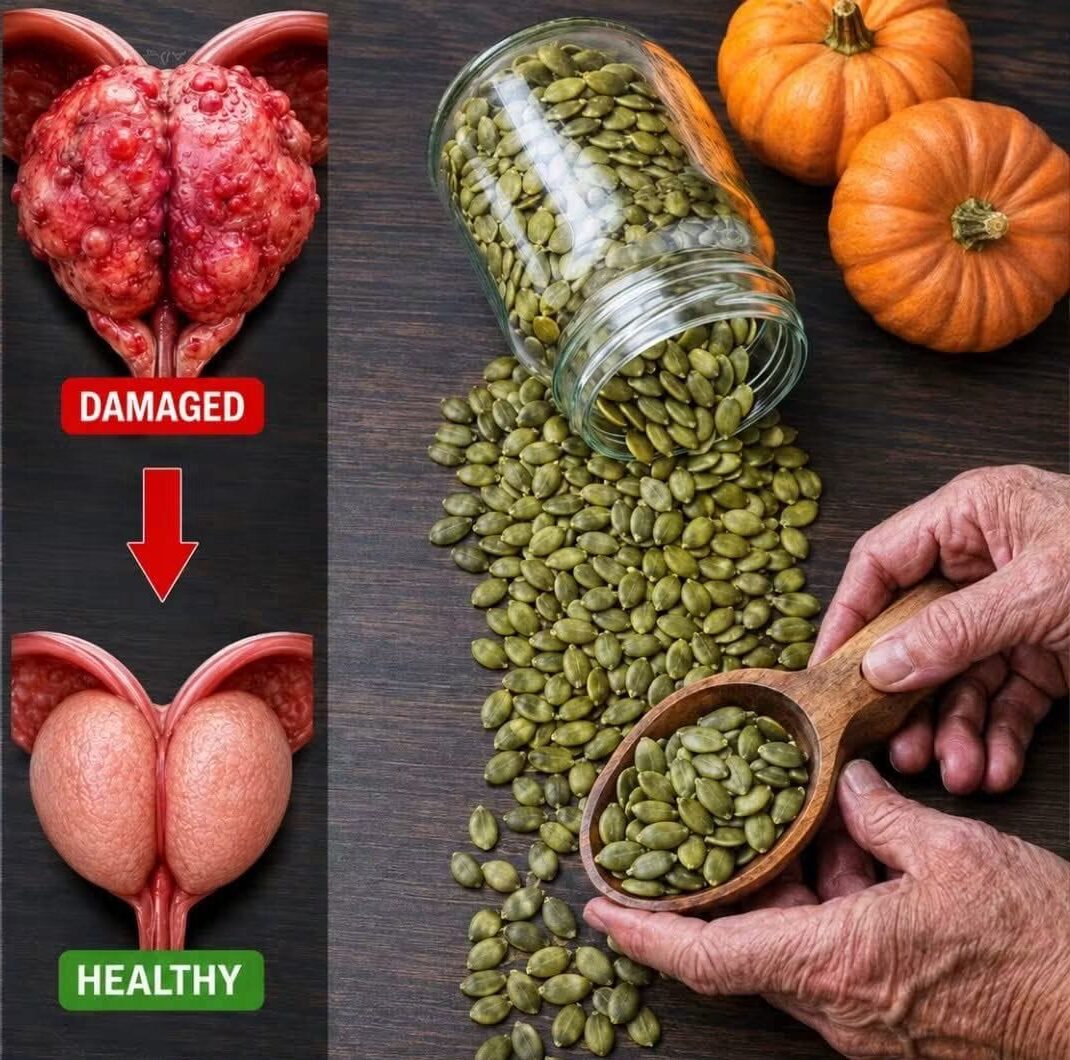
However, pumpkin seeds are not a proven treatment for prostate disease. Research on pumpkin-seed extracts and benign prostatic hyperplasia (BPH) suggests possible modest improvements in urinary symptoms, but the evidence remains mixed.
For adults over 50, the better approach is to enjoy pumpkin seeds as part of an overall balanced diet rather than treating them as a prostate cure.
Origin
Pumpkins and their seeds have a long history in the Americas, where various Cucurbita species were cultivated and consumed for centuries. Pumpkin seeds eventually became popular worldwide as both a food ingredient and snack.
Today, pumpkin seeds are eaten raw, roasted, added to cereals and salads, blended into spreads, incorporated into baked goods, and pressed to produce pumpkin seed oil. Their nutritional value has made them particularly popular in health-conscious diets.
Cultural Significance
Pumpkin seeds have traditionally been valued in different cultures as a nutritious, convenient food. Their versatility makes them easy to incorporate into everyday meals, while pumpkin seed oil has also been used traditionally in parts of Europe and elsewhere.
Modern interest has increasingly focused on their magnesium, zinc, healthy fats and phytosterols. Research has investigated pumpkin-seed preparations specifically for lower urinary tract symptoms associated with BPH, although clinical evidence is not strong enough to consider them a replacement for medical treatment.
The 3 Pumpkin Seed Mistakes to Avoid
Mistake 1: Choosing heavily salted pumpkin seeds
A large amount of added salt can turn an otherwise nutritious snack into a high-sodium food.
Better way: Choose unsalted or lightly salted pumpkin seeds. If you roast them yourself, season them with herbs, garlic powder, paprika or a small amount of sea salt.
Mistake 2: Eating huge portions
Pumpkin seeds contain healthy fats, but they are also calorie-dense. Eating several large handfuls can add substantial calories to your daily intake.
Better way: Start with approximately 1 ounce (28 g) as a practical serving. This gives you nutritional benefits without turning a healthy snack into an oversized calorie source.
Mistake 3: Treating pumpkin seeds like a prostate medicine
This may be the biggest misconception. Pumpkin seeds contain nutrients and phytosterols that have generated scientific interest, and some studies of pumpkin-seed extracts have reported improvements in urinary symptoms. However, clinical evidence is still limited and inconsistent.
Better way: Use pumpkin seeds as one component of a healthy diet. Persistent urinary problems, difficulty urinating, blood in the urine, pain or other prostate-related symptoms should be discussed with a healthcare professional.
Ingredients — Quantity
Simple Pumpkin Seed Snack
- 1 ounce (28 g) unsalted pumpkin seeds
- ½ teaspoon extra-virgin olive oil — optional
- ¼ teaspoon smoked paprika
- ⅛ teaspoon garlic powder
- Small pinch of black pepper
- Tiny pinch of salt — optional
This recipe makes 1 serving.
Optional Additions
You can make your pumpkin-seed snack more interesting with:
- Cinnamon for a lightly sweet version
- Unsweetened coconut flakes
- Chia seeds
- Ground flaxseed
- A small amount of cayenne pepper
- Dried herbs such as rosemary or oregano
- Plain Greek yogurt
- Oatmeal or overnight oats
- Fresh berries
- Chopped walnuts or almonds
For everyday eating, prioritize additions that provide nutritional value rather than large amounts of sugar or salt.
Tips for Success
- Choose plain seeds whenever possible. This gives you greater control over sodium, sugar and added oils.
- Keep portions moderate. A small handful is usually enough.
- Roast gently. Excessive heat can affect the flavor and quality of the oils.
- Store them properly. Keep pumpkin seeds in an airtight container in a cool, dry place; refrigeration can help preserve freshness.
- Use them as a food, not a supplement. Whole foods provide a broader nutritional package.
- Don’t rely on zinc supplements unnecessarily. Pumpkin seeds naturally contain zinc, while high-dose zinc supplementation can have risks.
Instructions
- Preheat your oven to 325°F (165°C).
- Place 1 ounce of pumpkin seeds in a small bowl.
- Add olive oil if desired.
- Sprinkle with paprika, garlic powder and black pepper.
- Toss until evenly coated.
- Spread the seeds in a single layer on a baking sheet.
- Roast for approximately 8–12 minutes, stirring once halfway through.
- Remove when lightly golden and fragrant.
- Allow them to cool before eating.
- Enjoy them as a snack or sprinkle them over yogurt, oatmeal, salads or soups.
Description
These lightly seasoned pumpkin seeds are crunchy, savory and satisfying. Their combination of protein, healthy fats, magnesium, zinc and other nutrients makes them an easy addition to a balanced eating pattern. Pumpkin seeds also contain phytosterols and other bioactive compounds that have been studied for potential health effects.
The important distinction is that nutritional potential is not the same as a proven medical benefit. Studies of pumpkin-seed extracts for BPH have produced promising but modest and inconsistent results.
Nutritional Information
Approximate nutrition for 1 ounce (28 g) of plain pumpkin seeds can vary according to the product and preparation. Pumpkin seeds are particularly notable for:
- Protein: approximately 8–9 g
- Fat: approximately 13–14 g
- Fiber: approximately 1–2 g
- Magnesium: approximately 160 mg
- Zinc: approximately 2–2.5 mg
- Iron: approximately 2–2.5 mg
They also provide phosphorus, copper, manganese, potassium and vitamin E. Published nutritional data show pumpkin seeds to be especially rich in magnesium, phosphorus, manganese and zinc.
Conclusion
Pumpkin seeds can be a nutritious addition to the diet after 50, but the way you eat them matters. Avoid turning them into a high-sodium snack, keep portions reasonable and don’t confuse food-based nutrition with medical treatment.
Their zinc, magnesium, healthy fats and phytosterols make them nutritionally valuable, while research into pumpkin-seed preparations and prostate health remains ongoing.
Recommendation
For a simple daily habit, consider adding about 1 ounce of unsalted pumpkin seeds to your diet. Sprinkle them over oatmeal, yogurt or salads, or enjoy them as a small snack.
If you’re experiencing urinary symptoms after 50, don’t attempt to manage them with pumpkin seeds alone. BPH, urinary infections and other prostate conditions can have similar symptoms and should be properly evaluated.
Embracing Healthful Indulgence
Healthy eating doesn’t have to mean giving up enjoyable foods. A small handful of crunchy pumpkin seeds can add flavor, texture and valuable nutrients to everyday meals.
The key is balance: choose minimally processed seeds, control your portion, combine them with vegetables, whole grains, fruits and other nutritious foods, and view pumpkin seeds as part of a healthy lifestyle—not as a miracle prostate remedy.