
Introduction
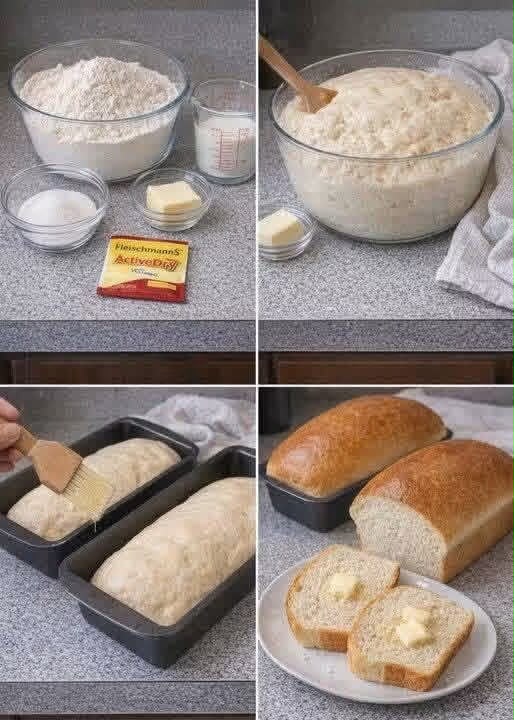
Amish White Bread is a soft, fluffy, slightly sweet homemade bread that has become a beloved classic in many kitchens. Known for its tender texture and golden crust, this versatile bread is perfect for sandwiches, toast, French toast, or simply enjoying warm with butter. Its straightforward ingredients and reliable preparation make it especially appealing to beginner and experienced bakers alike.
Origin
Amish White Bread is commonly associated with Amish communities in the United States, particularly in regions such as Pennsylvania and the Midwest. Amish cooking is often known for its emphasis on simple, practical ingredients and homemade foods. Over time, versions of this soft white bread recipe have been shared widely in American home kitchens.
Cultural Significance
Homemade bread has long represented hospitality, family, and community. In Amish and other traditional rural communities, baking bread at home was an important part of daily life. A freshly baked loaf could bring families together around the table and provide an affordable, filling staple for everyday meals.
Today, Amish White Bread remains popular because it reflects the comfort and tradition of home baking.
Ingredients and Quantity
This recipe makes 2 standard loaves.
| Ingredient | Quantity |
|---|---|
| Warm water | 2 cups (480 ml) |
| Granulated sugar | ⅔ cup (135 g) |
| Active dry yeast | 1½ tablespoons |
| Vegetable oil | ¼ cup (60 ml) |
| Salt | 1½ teaspoons |
| All-purpose flour or bread flour | 5½–6 cups (approximately 690–750 g) |
Optional Additions
You can customize your Amish White Bread with:
- Honey: Replace part of the sugar for a richer flavor.
- Butter: Brush melted butter over the warm crust for extra softness.
- Sesame or poppy seeds: Sprinkle on top before baking.
- Whole-wheat flour: Replace a small portion of the white flour for a heartier loaf.
- Milk: Use part milk instead of water for a richer texture, if desired.
Tips for Success
- Make sure the water is warm, not hot, to help the yeast activate properly.
- Check that your yeast is fresh and active.
- Add flour gradually to avoid making the dough too dry.
- Knead until the dough becomes smooth and elastic.
- Allow enough time for the dough to rise in a warm, draft-free place.
- Avoid overbaking, as this can make the bread dry.
- Let the bread cool before slicing for cleaner, more even slices.
Instructions
Step 1: Activate the Yeast
In a large bowl, combine the warm water and sugar. Sprinkle the yeast over the mixture and let it sit for about 5–10 minutes, until it becomes foamy.
Step 2: Make the Dough
Add the vegetable oil and salt. Gradually mix in the flour, one cup at a time, until a soft dough forms.
Step 3: Knead
Transfer the dough to a lightly floured surface. Knead for approximately 8–10 minutes, until smooth and elastic.
Step 4: First Rise
Place the dough in a lightly oiled bowl. Cover it with a clean towel or plastic wrap and allow it to rise in a warm place for about 1 hour, or until doubled in size.
Step 5: Shape the Loaves
Gently punch down the dough and divide it into two equal portions. Shape each portion into a loaf and place them into greased loaf pans.
Step 6: Second Rise
Cover the pans and allow the dough to rise again for approximately 30–45 minutes, until it has risen above the edges of the pans.
Step 7: Bake
Bake in a preheated oven at 350°F (175°C) for approximately 25–30 minutes, or until the loaves are golden brown and fully baked.
Step 8: Cool
Remove the bread from the pans and place it on a wire rack. For a softer crust, brush the tops with melted butter while the bread is still warm. Allow the loaves to cool before slicing.
Description
Amish White Bread has a soft, airy interior with a gently sweet flavor and a beautiful golden crust. It is light enough for everyday sandwiches yet rich and comforting when served warm with butter, jam, or honey.
Its simple flavor makes it one of the most versatile homemade breads, suitable for breakfast, lunch, dinner, and snacks.
Nutritional Information
Approximate values per slice, based on 20 slices per two loaves:
| Nutrient | Approximate Amount |
|---|---|
| Calories | 150–170 kcal |
| Carbohydrates | 28–32 g |
| Protein | 3–4 g |
| Fat | 3–4 g |
| Fiber | 1 g |
| Sugar | 4–5 g |
| Sodium | Varies depending on ingredients |
Nutritional values are estimates and may vary according to the ingredients, flour, and slice size used.
Conclusion
Amish White Bread is a timeless homemade recipe that combines simplicity, comfort, and versatility. With a few basic ingredients and some patience, you can create two beautiful loaves of soft, delicious bread that are perfect for sharing with family and friends.
Recommendation
For the best results, enjoy this bread fresh on the day it is baked. Store completely cooled bread in an airtight container at room temperature for a few days, or freeze it for longer storage. It is especially delicious as toast, sandwiches, French toast, or served warm with your favorite spread.
Embracing Healthful Indulgence
Homemade bread can be part of a balanced and enjoyable eating pattern. Baking it yourself allows you to understand and control the ingredients while enjoying the comfort of fresh, homemade food. Pair a slice of Amish White Bread with eggs, vegetables, soup, lean protein, or other nourishing foods for a satisfying meal.