
Introduction
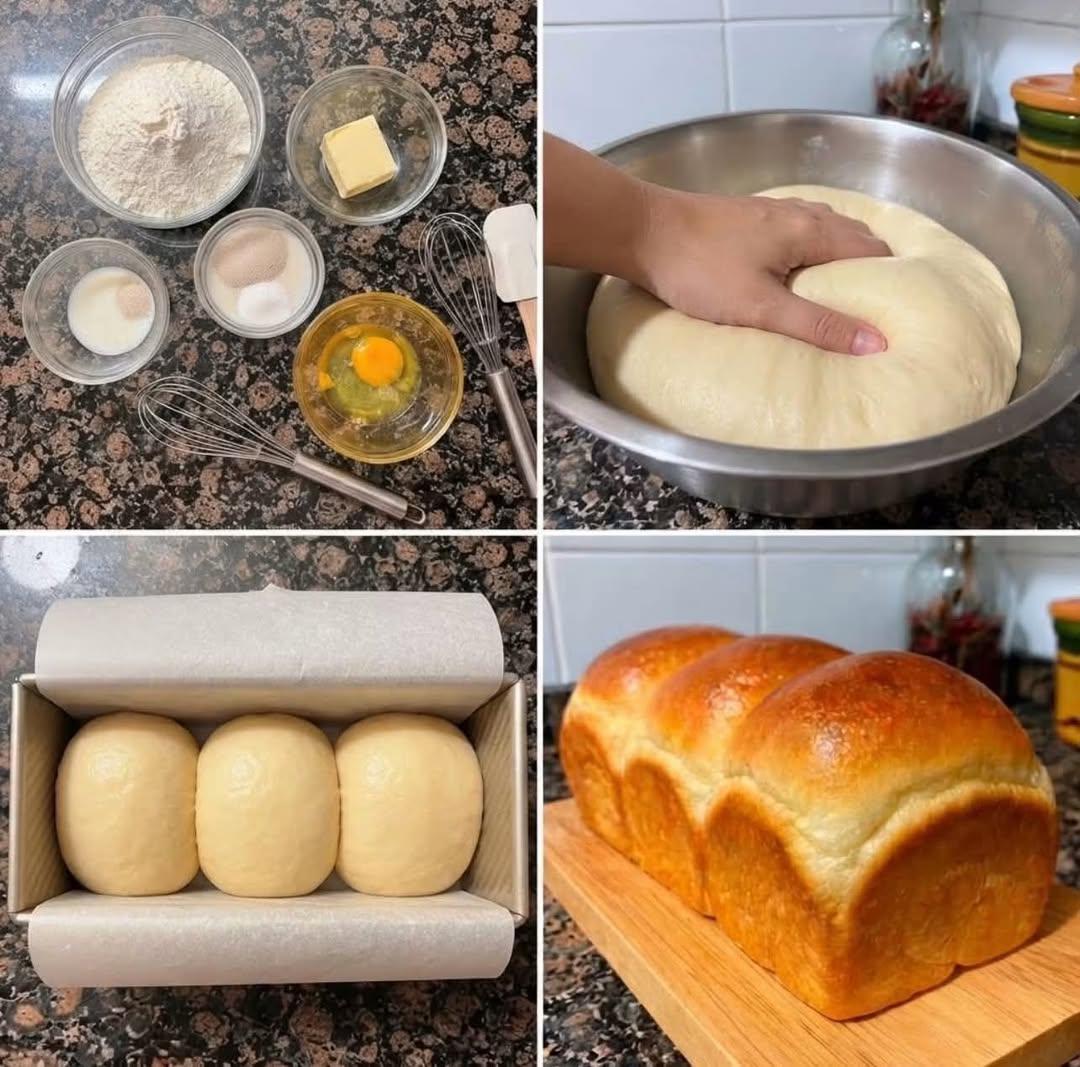
Classic Pull-Apart Loaf Bread is a soft, buttery homemade bread made from individual pieces of dough arranged together in a loaf pan. As it bakes, the pieces join into a beautiful golden loaf that can be pulled apart easily by hand. Its tender texture, lightly sweet flavor, and irresistible aroma make it perfect for breakfast, snacks, or as an accompaniment to savory meals.
Origin
Pull-apart bread belongs to the long tradition of homemade yeast breads found in European and North American baking. The concept of shaping dough into small portions before baking has inspired many variations, including monkey bread, dinner rolls, and layered butter breads.
The classic loaf version became especially popular as home baking developed, because it was both practical and attractive. Today, pull-apart bread can be found in many forms, from simple buttery loaves to versions flavored with herbs, cheese, garlic, cinnamon, or other ingredients.
Cultural Significance
Homemade bread has traditionally represented comfort, hospitality, and family cooking in many cultures. A pull-apart loaf adds a social element because people can simply tear off a piece and share it.
It is particularly suitable for family breakfasts, holiday tables, weekend baking, and gatherings. The process of shaping the dough also makes it an enjoyable recipe for home bakers who want to create something visually appealing without complicated techniques.
Ingredients Quantity
For 1 loaf (approximately 8–10 servings):
3 cups (375 g) all-purpose flour
2¼ teaspoons (7 g) active dry yeast
2 tablespoons (25 g) granulated sugar
1 teaspoon salt
¾ cup (180 ml) warm milk
1 large egg
3 tablespoons (42 g) unsalted butter, melted
2 tablespoons (30 g) melted butter, for brushing
1 tablespoon milk or water, if needed for adjusting the dough
Optional Additions
For a savory version:
1–2 cloves minced garlic
1 tablespoon chopped parsley
½ teaspoon dried oregano
½ cup (50 g) grated Parmesan or mozzarella
A pinch of black pepper
For a sweeter version:
1 teaspoon vanilla extract
1 teaspoon cinnamon
2 tablespoons brown sugar
A little honey or maple syrup
You can also add sesame seeds, poppy seeds, sunflower seeds, or chopped fresh herbs.
Tips for Success
Use warm, not hot, milk. Very hot liquid can damage the yeast.
Do not add too much flour. The dough should be soft and slightly tacky rather than stiff.
Knead until smooth. Proper kneading helps develop gluten and creates a fluffy texture.
Allow enough rising time. The dough should noticeably increase in size before shaping.
Brush each piece with butter. This helps create the characteristic pull-apart texture.
Avoid overbaking. Remove the loaf when it is nicely golden and sounds hollow when lightly tapped.
Let it cool briefly. Resting for about 10–15 minutes makes the loaf easier to handle while keeping it warm and tender.
Instructions
1. Activate the Yeast
In a large bowl, combine the warm milk, sugar, and yeast. Stir gently and let it stand for about 5–10 minutes, until slightly foamy.
2. Make the Dough
Add the egg, melted butter, salt, and most of the flour. Mix until a soft dough forms.
Gradually add the remaining flour as needed. The dough should be soft and slightly sticky but manageable.
3. Knead
Transfer the dough to a lightly floured surface. Knead for approximately 8–10 minutes, until smooth and elastic.
4. First Rise
Place the dough in a lightly greased bowl and cover it with a clean kitchen towel or plastic wrap.
Let it rise in a warm place for about 1–1½ hours, or until approximately doubled in size.
5. Shape the Loaf
Gently deflate the dough and divide it into approximately 16–20 equal pieces.
Roll each piece into a small ball. Dip or brush each piece lightly with melted butter.
Arrange the dough pieces in a greased 9 × 5-inch (23 × 13 cm) loaf pan.
6. Second Rise
Cover the pan and allow the dough to rise for another 30–45 minutes, until the pieces look puffy and have risen noticeably.
7. Bake
Preheat the oven to 350°F (175°C).
Brush the top lightly with the remaining melted butter.
Bake for approximately 25–30 minutes, or until the loaf is golden brown and cooked through.
8. Cool and Serve
Allow the bread to cool in the pan for about 10–15 minutes. Carefully remove it and serve warm.
Description
Classic Pull-Apart Loaf Bread has a golden, lightly crisp exterior and a soft, fluffy interior. Each portion can be gently torn away from the loaf, creating a fun and convenient way to serve homemade bread.
The flavor is mildly buttery and slightly sweet, making it versatile enough to accompany both sweet and savory foods.
Nutritional Information
Approximate nutrition per serving (1 of 10 servings):
Calories: 180–200 kcal
Carbohydrates: 27–30 g
Protein: 5–6 g
Fat: 6–7 g
Saturated Fat: 3–4 g
Fiber: 1–2 g
Sugar: 3–4 g
Sodium: 230–280 mg
Nutritional values vary depending on the exact ingredients, portion size, and optional additions used.
Conclusion
Classic Pull-Apart Loaf Bread is a simple yet impressive homemade bread that combines a soft texture, buttery flavor, and beautiful presentation. Although it requires some patience while the dough rises, the preparation is straightforward and rewarding.
Recommendation
Serve this bread warm with butter, honey, jam, or cheese for breakfast. It also pairs wonderfully with soups, salads, roasted vegetables, pasta, and hearty main dishes.
For a special dinner, try adding garlic, herbs, and Parmesan to transform it into a flavorful savory pull-apart loaf.
Embracing Healthful Indulgence
Homemade bread allows you to control the ingredients and adjust the recipe to your preferences. For a more wholesome version, replace part of the all-purpose flour with whole-wheat flour, reduce the sugar slightly, or add seeds such as flaxseed, sunflower seeds, or sesame seeds.
Enjoying a warm, freshly baked piece of bread can absolutely be part of a balanced diet. The key is to appreciate it as a satisfying homemade food while enjoying reasonable portions and pairing it with nutritious foods such as vegetables, fruits, eggs, yogurt, or lean proteins.