
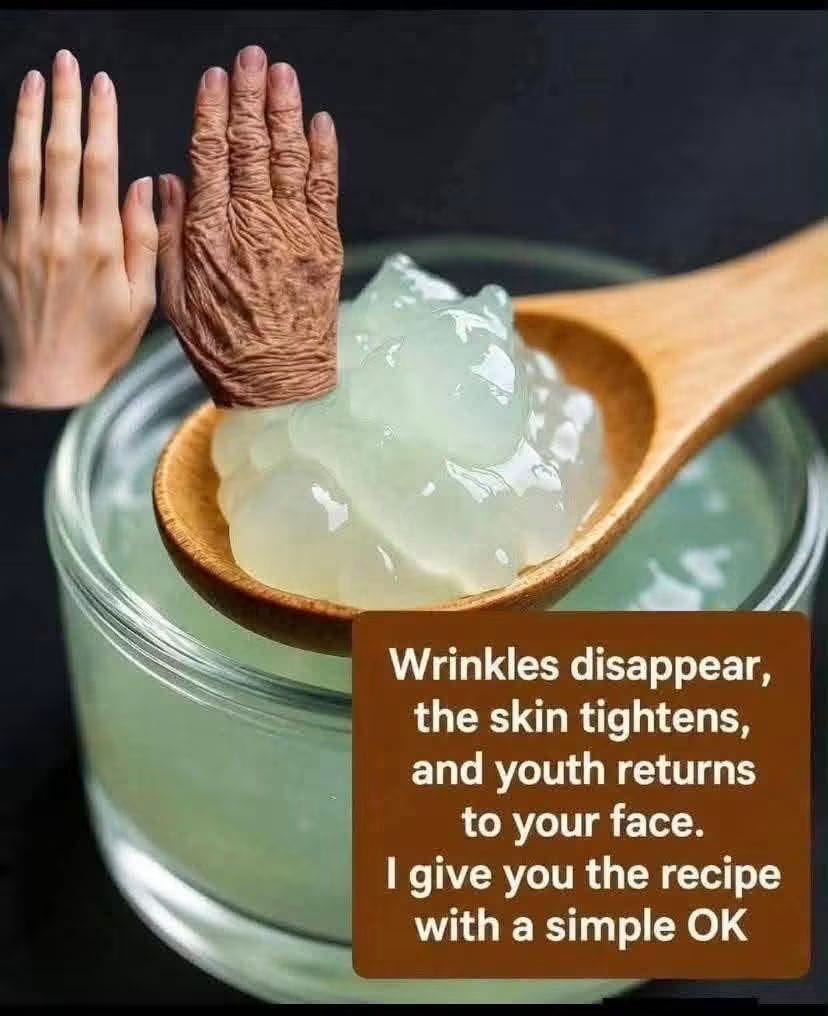
A simple homemade face gel can provide a lightweight, refreshing layer of hydration. It’s best described as a hydrating and smoothing skincare gel rather than a treatment that can reverse aging or permanently remove wrinkles. Patch-test any new ingredient first, especially if you have sensitive skin.
Origin
Homemade skincare has roots in traditional beauty practices that used plant-based ingredients, floral waters, and soothing gels. Modern DIY face gels are inspired by the desire for simple, lightweight skincare. However, “natural” does not automatically mean irritation-free, so gentle ingredients and careful testing are important.
Cultural Significance
Across many cultures, botanical ingredients have long been included in beauty rituals and self-care routines. Today, DIY skincare remains popular because it allows people to create simple products with familiar ingredients. A homemade gel can be a pleasant addition to a skincare routine, but it should not be presented as a guaranteed cure for wrinkles or other skin concerns.
Ingredients
For a small batch of DIY Hydrating Face Gel, use:
| Ingredient | Quantity |
|---|---|
| Plain, fragrance-free aloe vera gel | 2 tablespoons |
| Vegetable glycerin | ½ teaspoon |
| Distilled water | 1 teaspoon |
| Optional fragrance-free hyaluronic acid serum | ½ teaspoon |
Aloe and other lightweight moisturizing ingredients can help support hydration, while glycerin is commonly used to soften and smooth the skin.
Optional Additions
You may choose one gentle, skin-compatible addition:
- A small amount of fragrance-free hyaluronic acid serum for extra hydration.
- A small amount of a fragrance-free moisturizer if your skin feels dry.
- A tiny amount of a commercially formulated, skin-safe soothing ingredient designed for facial use.
Avoid adding essential oils, perfume, or harsh exfoliating ingredients, especially to a leave-on facial gel, because they may irritate the skin.
Tips for Success
- Use clean utensils and a clean container.
- Make a small batch rather than storing a homemade water-based product for a long time.
- Do not add kitchen preservatives and assume they will make the product shelf-stable.
- Patch-test the finished mixture before using it on your face.
- Stop using it if you experience irritation.
- Keep your routine simple; using too many products can irritate the skin.
Instructions
- Wash your hands and clean the bowl, spoon, and storage container.
- Add 2 tablespoons of fragrance-free aloe vera gel to the bowl.
- Mix in ½ teaspoon of vegetable glycerin.
- Add 1 teaspoon of distilled water and stir until smooth.
- If desired, add ½ teaspoon of a fragrance-free hyaluronic acid serum and mix gently.
- Transfer the gel to a clean container.
- Apply a small amount to clean skin after patch-testing.
For a cautious patch test, the American Academy of Dermatology recommends testing a new skincare product on a small area of skin before regular use and avoiding it if a reaction develops.
Description
This DIY face gel has a light, cooling texture that can leave the skin feeling refreshed and moisturized. The combination of aloe, glycerin, and optional hyaluronic acid focuses primarily on hydration and temporary smoothing, which may make fine lines appear less noticeable when the skin is well moisturized.
Nutritional Information
Because this is a cosmetic product and not food, nutritional information does not apply.
Instead, its skincare profile can be described as:
- Texture: Lightweight and gel-like
- Purpose: Hydration and temporary smoothing
- Suitable for: Many skin types, depending on ingredient tolerance
- Fragrance: Best kept fragrance-free
- Use: External use only
Conclusion
A DIY hydrating face gel can be an enjoyable and simple addition to a skincare routine. While it may help the skin feel softer, more hydrated, and temporarily smoother, it cannot permanently erase wrinkles or reverse the natural aging process. Dermatologists emphasize that moisturization can reduce the appearance of fine lines, while consistent sun protection is one of the most important steps for reducing premature signs of skin aging.
Recommendation
For best results, combine gentle hydration with a simple skincare routine:
- Cleanse gently.
- Apply your hydrating gel if it agrees with your skin.
- Use a suitable moisturizer when needed.
- During the day, use broad-spectrum SPF 30 or higher when exposed to daylight outdoors.
- Introduce only one new product at a time.
For more persistent concerns such as significant irritation, acne, or other skin changes, a dermatologist can provide advice tailored to your skin.
Embracing Healthful Indulgence
Healthy skincare does not have to mean chasing unrealistic promises of looking dramatically younger overnight. A nourishing routine can be a small act of self-care: cleansing gently, keeping the skin hydrated, protecting it from the sun, and choosing products that suit your individual skin.
This DIY face gel is best enjoyed as a refreshing hydration step, not a miracle anti-aging treatment. With realistic expectations, gentle ingredients, and consistent sun protection, skincare can be both simple and enjoyable.