
Introduction
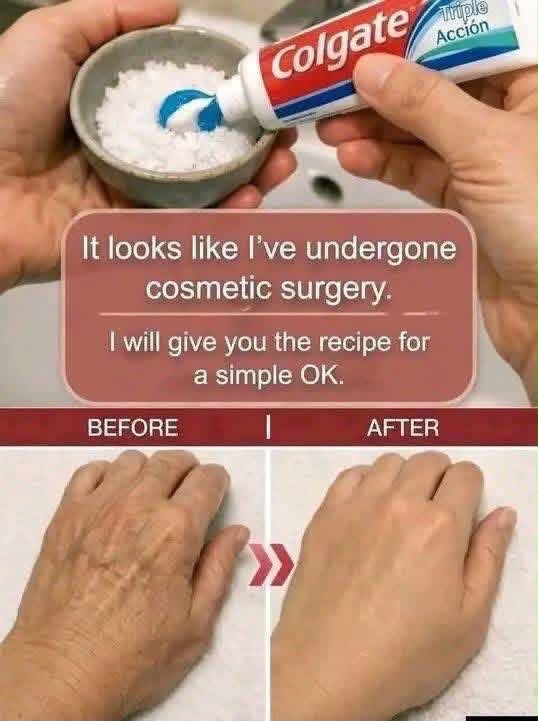
The idea of using toothpaste as a home remedy for age spots, wrinkles, and other signs of skin aging has circulated widely online. Because toothpaste may contain ingredients such as mild abrasives, fluoride, detergents, and flavoring agents, some people believe it can exfoliate the skin or make dark spots appear lighter.
However, toothpaste is designed specifically for oral hygiene—not facial skincare. There is no good clinical evidence showing that ordinary toothpaste can safely or effectively remove age spots or wrinkles. In fact, applying toothpaste to the skin may cause dryness, redness, burning, or irritation.
For naturally healthier-looking skin, a gentle skincare routine and consistent sun protection are much better choices.
Origin
The toothpaste-for-skin trend comes from traditional home-remedy culture and the assumption that ingredients capable of cleaning or polishing teeth might also exfoliate the skin. Social media has helped popularize this idea as an inexpensive beauty hack.
Although toothpaste can sometimes create a temporary sensation of tightness or dryness, this should not be confused with genuine wrinkle reduction or treatment of pigmentation.
Cultural Significance
Home beauty remedies have existed across many cultures for generations. People have traditionally used easily available household ingredients as inexpensive alternatives to commercial cosmetics.
Today, social media continues this tradition by turning household products into viral skincare “hacks.” Toothpaste is one example, but popularity does not necessarily mean effectiveness or safety. Modern dermatology emphasizes choosing products according to the skin’s biology and the specific concern being treated.
Ingredients and Quantity
Recommended skincare approach
Instead of making a toothpaste treatment, consider this simple routine:
- Gentle facial cleanser: enough to cleanse the face without scrubbing.
- Moisturizer: apply a thin, comfortable layer.
- Broad-spectrum SPF 30 or higher sunscreen: apply generously every morning.
- Retinol or another appropriate retinoid: use according to product directions, preferably after discussing suitability with a dermatologist.
- Vitamin C product: an optional morning ingredient that may help with uneven pigmentation.
Dermatologists identify sunscreen and moisturizer as two of the most useful foundations of an anti-aging skincare routine. Retinoids can also help with fine lines, pigmentation, and skin texture.
Optional Additions
For a more complete routine, you can consider:
- Vitamin C for uneven skin tone
- Niacinamide for general skin-barrier support
- A gentle cleanser
- A fragrance-free moisturizer
- Retinol for suitable users
- Broad-spectrum SPF 30+ sunscreen
Introduce new products gradually rather than combining several active ingredients at once. Too many products can irritate the skin and make signs of aging more noticeable.
Tips for Success
- Do not use toothpaste as a facial mask or spot treatment.
- Patch-test new skincare products before applying them more widely.
- Stop using a product if it causes significant burning, stinging, or irritation.
- Wear sunscreen every day because ultraviolet exposure contributes strongly to wrinkles and age spots.
- Moisturize regularly to help the skin look smoother and reduce the appearance of fine lines.
- Be patient. Most skincare products require consistent use over weeks or months.
- Avoid aggressive scrubbing because irritation can make pigmentation and the appearance of aging worse.
Instructions for a Safer Natural-Looking Routine
Morning
- Wash your face gently with a facial cleanser.
- Apply an optional vitamin C or other suitable skincare product.
- Apply moisturizer.
- Finish with broad-spectrum SPF 30 or higher sunscreen.
- Reapply sunscreen when appropriate, particularly during prolonged outdoor exposure.
Evening
- Gently cleanse your face.
- Apply an appropriate retinol/retinoid product if it is suitable for you.
- Follow with moisturizer.
- Allow your skin time to adjust rather than immediately adding multiple active ingredients.
Sun protection is particularly important because ultraviolet radiation can accelerate wrinkles and contribute to age spots.
Description
Age spots, sometimes called sun spots, commonly appear on areas exposed to sunlight, including the face and hands. Wrinkles are also strongly associated with cumulative sun exposure and the natural aging process.
Rather than trying to “polish away” these changes with toothpaste, skincare should focus on preventing additional sun damage, maintaining the skin barrier, and using ingredients with evidence for improving the appearance of pigmentation and fine lines. Dermatologists may also use treatments such as prescription retinoids, chemical peels, lasers, or other procedures when appropriate.
Nutritional Information
There is no meaningful nutritional information for applying toothpaste to the skin, because toothpaste is not a food or nutritional skincare treatment.
For skin health, overall nutrition matters more than topical household remedies. A balanced diet containing adequate protein, fruits, vegetables, healthy fats, and sufficient water supports general health and normal skin function.
Conclusion
Although toothpaste is often promoted online as a cheap remedy for age spots and wrinkles, there is no reliable evidence that it safely treats these concerns. Toothpaste can contain ingredients capable of irritating sensitive facial skin, so using it as a cosmetic treatment is best avoided.
A better approach is simple: cleanse gently, moisturize, protect your skin from the sun, and consider evidence-based ingredients such as retinol when appropriate.
Recommendation
If you are concerned about age spots, especially a new, changing, bleeding, or unusual dark spot, have it evaluated by a dermatologist before attempting to treat it yourself. Some lesions that resemble age spots can actually be precancerous or cancerous.
For wrinkles, start with daily broad-spectrum SPF 30+ sunscreen and a moisturizer. If you want stronger results, ask a dermatologist whether retinol, prescription retinoids, or professional treatments are appropriate for your skin.
Embracing Healthful Indulgence
Healthy skincare does not need to involve harsh or unusual household ingredients. True “healthful indulgence” means treating your skin gently while choosing products and habits supported by evidence.
Instead of reaching for toothpaste, give your skin what it actually needs: protection from UV radiation, hydration, gentle cleansing, and consistent care. With realistic expectations and patience, a simple skincare routine can help your complexion look healthier, smoother, and more radiant over time.