
Introduction
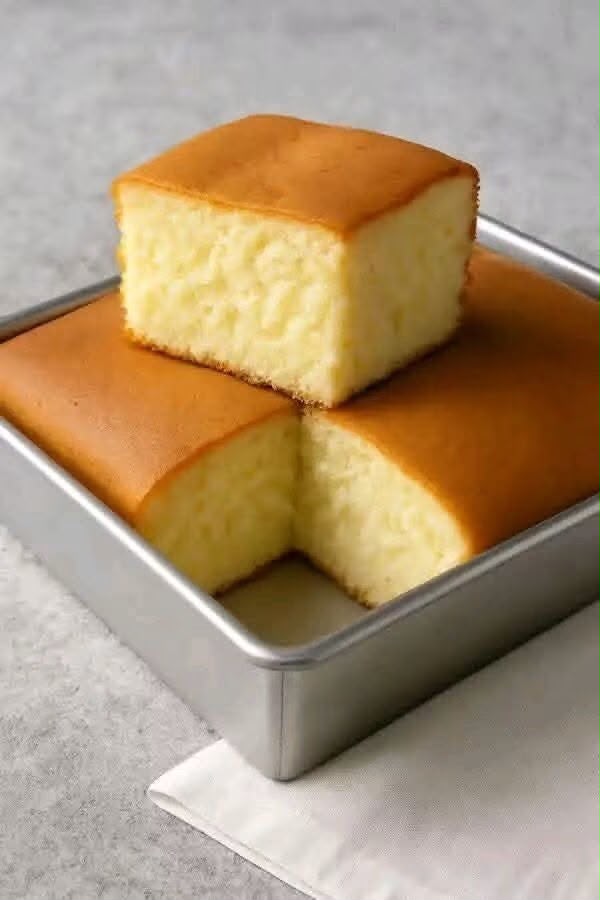
This diabetic-friendly Cotton Cake is inspired by the comforting tradition of homemade family baking. Light, soft, and fluffy, it earns its name from its delicate, cotton-like texture. Using mindful ingredient choices, such as reduced added sugar, fiber-rich flour, and naturally flavorful ingredients, it can be adapted into a lighter dessert or snack.
Having diabetes does not necessarily mean giving up baked treats completely; ingredient choices, total carbohydrates, and portion size all matter.
Note: “Diabetic-friendly” does not mean a food will have the same effect on every person’s blood glucose. Individual needs and portion sizes vary.
Origin
The exact origin of this particular family-style Cotton Cake is difficult to trace because recipes like this are often passed down through families rather than formally documented. Its style is inspired by traditional sponge and chiffon cakes, which are known for their airy structure created by eggs and careful mixing.
Over generations, home bakers have adapted classic cakes by reducing added sugar, incorporating fruit for natural sweetness, or replacing part of the white flour with higher-fiber ingredients.
Cultural Significance
Family recipes carry more than flavor—they preserve memories, traditions, and connections between generations. A grandmother’s recipe may be adjusted over time to suit changing dietary needs while maintaining the familiar texture and comforting taste that made the original special.
This Cotton Cake represents that tradition: a practical homemade recipe adapted with more mindful ingredients so it can be enjoyed as part of a balanced eating pattern.
Ingredients Quantity
Makes approximately 10 slices.
- 3 large eggs, separated
- ½ cup (100 g) granulated sweetener suitable for baking, or an appropriate sugar alternative
- ½ cup (120 g) plain unsweetened Greek yogurt
- ¼ cup (60 ml) light vegetable or rapeseed oil
- 1 teaspoon vanilla extract
- ¾ cup (90 g) whole-wheat flour
- ¼ cup (30 g) oat flour
- 1½ teaspoons baking powder
- ¼ teaspoon salt
- 2–4 tablespoons milk, if needed
- ½ teaspoon lemon zest, optional
Using some whole-grain flour or oats can increase fiber, although substitutions may change the texture of a traditional sponge cake.
Optional Additions
For extra flavor, try:
- ½ teaspoon ground cinnamon
- Fresh lemon or orange zest
- A small handful of chopped walnuts or almonds
- A few berries folded gently into the batter
- Unsweetened shredded coconut
- A small amount of finely grated apple for moisture and natural sweetness
Remember that fruit, dried fruit, honey, and similar ingredients still contribute carbohydrates and sugars, so they should be included in the overall recipe calculation.
Tips for Success
- Separate the eggs carefully: Avoid getting yolk into the egg whites.
- Whip the whites properly: Beaten egg whites help create the signature light, fluffy texture.
- Fold gently: Overmixing can remove air from the batter.
- Use room-temperature ingredients: This helps the mixture combine more evenly.
- Do not overbake: Remove the cake when a toothpick inserted into the center comes out clean or with a few soft crumbs.
- Cool before slicing: This allows the structure to set properly.
- Keep portions moderate: Even a cake made with less added sugar can still contain carbohydrates.
Diabetes-focused baking guidance emphasizes both ingredient adaptations and attention to serving size.
Instructions
Step 1: Prepare the oven
Preheat the oven to 170°C (340°F). Lightly grease and line a 20 cm (8-inch) round cake pan with baking paper.
Step 2: Mix the egg yolks
In a large bowl, whisk the egg yolks with the sweetener until smooth. Add the Greek yogurt, oil, vanilla, and lemon zest. Mix until well combined.
Step 3: Combine the dry ingredients
In a separate bowl, combine:
- Whole-wheat flour
- Oat flour
- Baking powder
- Salt
Gradually add the dry ingredients to the yolk mixture. Stir gently until combined. Add a little milk if the batter seems too thick.
Step 4: Whip the egg whites
Using a clean bowl, beat the egg whites until they form soft peaks. This step helps give the cake its soft, airy, “cotton-like” texture.
Step 5: Fold the batter
Add about one-third of the whipped egg whites to the batter and gently fold them in. Then carefully fold in the remaining egg whites in two additions.
Avoid vigorous stirring.
Step 6: Bake
Pour the batter into the prepared pan. Bake for approximately 30–40 minutes, depending on your oven.
Check the cake near the end of the baking time with a toothpick.
Step 7: Cool and serve
Allow the cake to cool in the pan for about 10 minutes before transferring it to a wire rack. Slice into 10 portions and serve plain or with a small spoonful of unsweetened yogurt and fresh berries.
Description
This Cotton Cake is soft, light, and delicately sweet, with a tender crumb created by whipped egg whites and gentle folding. The combination of yogurt and a small amount of oil helps maintain moisture, while whole-wheat and oat flour add a slightly nutty flavor.
The result is a simple homemade cake that feels comforting and satisfying without relying on a heavy frosting or large amounts of added sugar.
Nutritional Information
Estimated per slice, based on 10 slices and depending on the exact sweetener and ingredients used:
- Calories: 120–150 kcal
- Protein: 5–6 g
- Fat: 7–9 g
- Carbohydrates: 10–15 g
- Fiber: 1–2 g
- Added sugar: Varies depending on the sweetener used
These are estimates rather than laboratory-tested values. The exact nutrition will change according to the brands and ingredients you choose. For people who count carbohydrates, the total carbohydrate content per serving is particularly important.
Conclusion
My Grandmother’s Cotton Cake is a wonderful example of how traditional family recipes can be thoughtfully adapted without losing their warmth and charm. Light, fluffy, practical, and delicious, it is a lovely option for afternoon tea, breakfast, or an occasional homemade dessert.
Recommendation
Enjoy this cake as part of a balanced meal pattern rather than assuming that “sugar-free” automatically means unlimited portions. Pairing a slice with plain yogurt, nuts, or fresh fruit can make for a more satisfying snack.
For anyone managing diabetes, it is important to consider their personal carbohydrate goals and dietary advice. Diabetes organizations note that cakes can still be enjoyed, but portion size and frequency remain important.
Embracing Healthful Indulgence
A healthier approach to baking does not have to mean giving up the foods and traditions you love. By making thoughtful ingredient choices, enjoying reasonable portions, and appreciating every bite, even a cherished family cake can have a place in a balanced lifestyle.
This fluffy Cotton Cake celebrates the best of both worlds: the comfort of an old family recipe and a more mindful approach to modern baking.