
Introduction
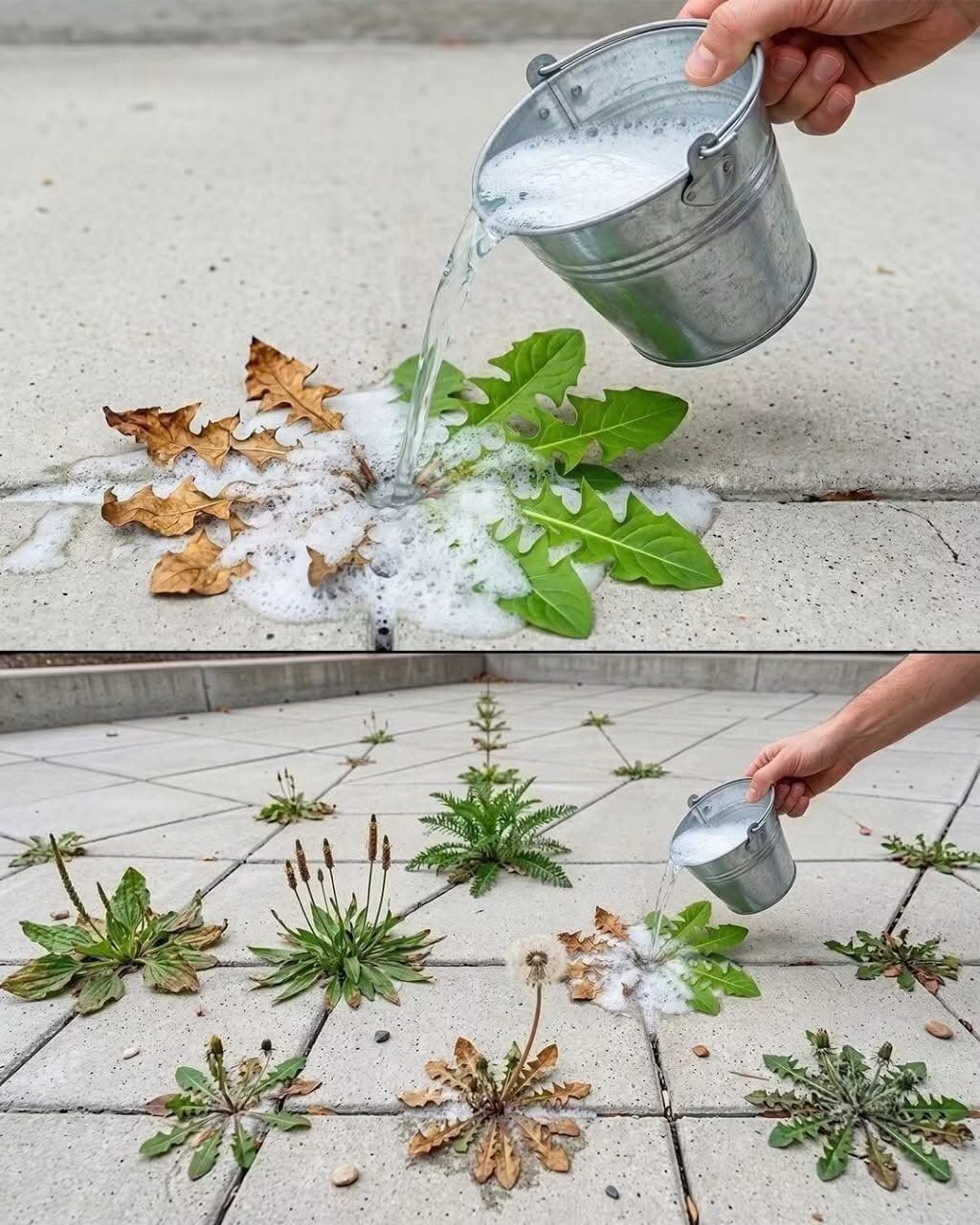
Unwanted weeds can quickly take over gardens, pathways, patios, and other outdoor spaces. For gardeners looking for a simple alternative to harsh commercial herbicides, homemade weed-control solutions can be useful for small, targeted areas. One popular approach uses common household ingredients to help dry out and suppress unwanted plants.
Because homemade weed killers are generally non-selective, they can also damage flowers, vegetables, grass, and other desirable plants. Careful application is essential.
Origin
Using household ingredients for garden maintenance has long been part of traditional home gardening. Ingredients such as vinegar, salt, and soap have been incorporated into DIY cleaning and plant-control methods because of their drying or surface-active properties.
Modern homemade weed-control recipes became especially popular as gardeners sought inexpensive, easy-to-make options for treating weeds in cracks, driveways, and other hardscape areas.
Cultural Significance
Homemade garden solutions reflect a broader tradition of resourcefulness and self-sufficiency. Many people enjoy using familiar household ingredients for simple gardening tasks rather than purchasing specialized products.
These methods are particularly popular among home gardeners interested in reducing unnecessary chemical use. However, “natural” does not automatically mean harmless, especially for soil, nearby plants, pets, or the surrounding environment.
Ingredients and Quantities
Simple Homemade Weed-Control Spray
- 1 gallon (about 3.8 liters) white vinegar
- 1 tablespoon liquid dish soap
For a small batch:
- 4 cups white vinegar
- 1 teaspoon liquid dish soap
Mix gently in a spray bottle or garden sprayer.
Important: Avoid adding large amounts of salt. Salt can remain in the soil and make it difficult for other plants to grow later.
Optional Additions
Depending on the intended use, some gardeners may adjust the recipe:
- A small amount of citrus-based cleaner for fragrance, if appropriate for outdoor use.
- A stronger horticultural vinegar product for difficult weeds—but these products can be more hazardous and should only be used according to their label instructions.
- No additional ingredients at all for a simpler mixture suitable for targeted spot treatment.
Avoid mixing household chemicals unless their compatibility and safety are clearly established.
Tips for Success
- Apply directly to the weed, not to surrounding plants.
- Choose a dry, calm day to reduce drift.
- Focus on young, actively growing weeds, which are often easier to control.
- Use the spray mainly on cracks, gravel areas, and other places where you do not want plants to grow.
- Avoid spraying lawns, flower beds, or vegetable gardens unless you are prepared for nearby plants to be affected.
- Wear appropriate protection, such as gloves and eye protection, when handling or spraying irritating products.
- Keep homemade mixtures clearly labeled and away from children and pets.
Instructions
Step 1: Prepare the Mixture
Pour the white vinegar into a clean spray bottle or garden sprayer.
Step 2: Add the Dish Soap
Add the recommended amount of liquid dish soap. The soap helps the mixture cling to the leaves instead of immediately running off.
Step 3: Mix Gently
Swirl or gently shake the container to combine the ingredients without creating excessive foam.
Step 4: Apply Carefully
Spray the mixture directly onto the leaves of the unwanted weeds. Try to avoid contact with desirable plants.
Step 5: Monitor the Area
The weeds may begin to show damage after treatment, especially in warm and dry conditions. Some established weeds may require repeated treatment or physical removal.
Description
This homemade weed-control mixture is a simple, targeted garden solution based primarily on vinegar and a small amount of soap. Vinegar-based sprays can damage plant tissues they contact, while the soap helps improve coverage on the leaves.
It works best as a contact treatment and may not completely eliminate deep or established root systems.
Nutritional Information
This preparation is not food and should never be consumed.
There is no nutritional value associated with this weed-control mixture. It should be stored separately from food and clearly labeled to prevent accidental use.
Conclusion
A vinegar-and-soap spray can be a convenient homemade option for controlling small weeds in areas such as pavement cracks and pathways. Its simplicity and accessibility make it appealing for routine garden maintenance.
However, it should be used carefully because it can harm nearly any plant it touches and may not provide permanent control for deep-rooted weeds.
Recommendation
For the most effective long-term weed management, combine homemade spot treatments with other methods:
- Hand-pull weeds when practical.
- Use mulch to block sunlight and reduce weed growth.
- Remove weeds before they produce seeds.
- Maintain healthy, dense ground cover where appropriate.
- Reserve vinegar-based sprays for targeted areas rather than broad garden beds.
Embracing Healthful Indulgence
A healthy garden is not only about eliminating unwanted plants—it is about creating balance. Thoughtful weed management, careful application, and preventive practices can help maintain attractive outdoor spaces while protecting the plants and soil you want to preserve.
By using homemade solutions responsibly and combining them with practical gardening techniques, you can keep your garden, patio, or pathways looking clean while supporting a more mindful approach to outdoor care.