
Introduction
Scones are classic baked treats known for their tender, crumbly texture and lightly sweet flavor. They are wonderful for breakfast, afternoon tea, brunch, or as a simple homemade snack. This recipe creates golden, buttery scones with a soft center and crisp edges.
Origin
Scones are strongly associated with Britain, particularly Scotland, where early versions were made from simple ingredients such as flour, butter, and milk. Over time, scones became an important part of British afternoon tea and developed into many varieties, including sweet, savory, fruit-filled, and cheese scones.
Cultural Significance
Scones are closely connected with the British tradition of afternoon tea. They are commonly served with jam and clotted cream, making them a symbol of relaxed hospitality and traditional tea gatherings. Today, scones are enjoyed worldwide with countless modern variations.
Ingredients & Quantity
Makes about 8 scones
- 2 cups (250 g) all-purpose flour
- 2 tablespoons granulated sugar
- 1 tablespoon baking powder
- ½ teaspoon salt
- 6 tablespoons (85 g) cold unsalted butter, cubed
- ¾ cup (180 ml) cold milk or heavy cream
- 1 teaspoon vanilla extract
- 1 large egg, for brushing the tops
Optional Additions
- ½ cup raisins or dried cranberries
- ½ cup chocolate chips
- 1 teaspoon cinnamon
- 1 teaspoon lemon or orange zest
- ½ cup chopped nuts
- Coarse sugar for sprinkling
- Jam and cream for serving
Tips for Success
- Keep the butter very cold for flaky, tender scones.
- Avoid overmixing the dough, as this can make the scones tough.
- Use a lightly floured surface when shaping the dough.
- Press the cutter straight down instead of twisting it to help the scones rise evenly.
- Chill the shaped scones for 10–15 minutes before baking for an even better texture.
- Bake until the tops are lightly golden.
Instructions
- Preheat the oven to 425°F (220°C). Line a baking tray with parchment paper.
- In a large bowl, whisk together the flour, sugar, baking powder, and salt.
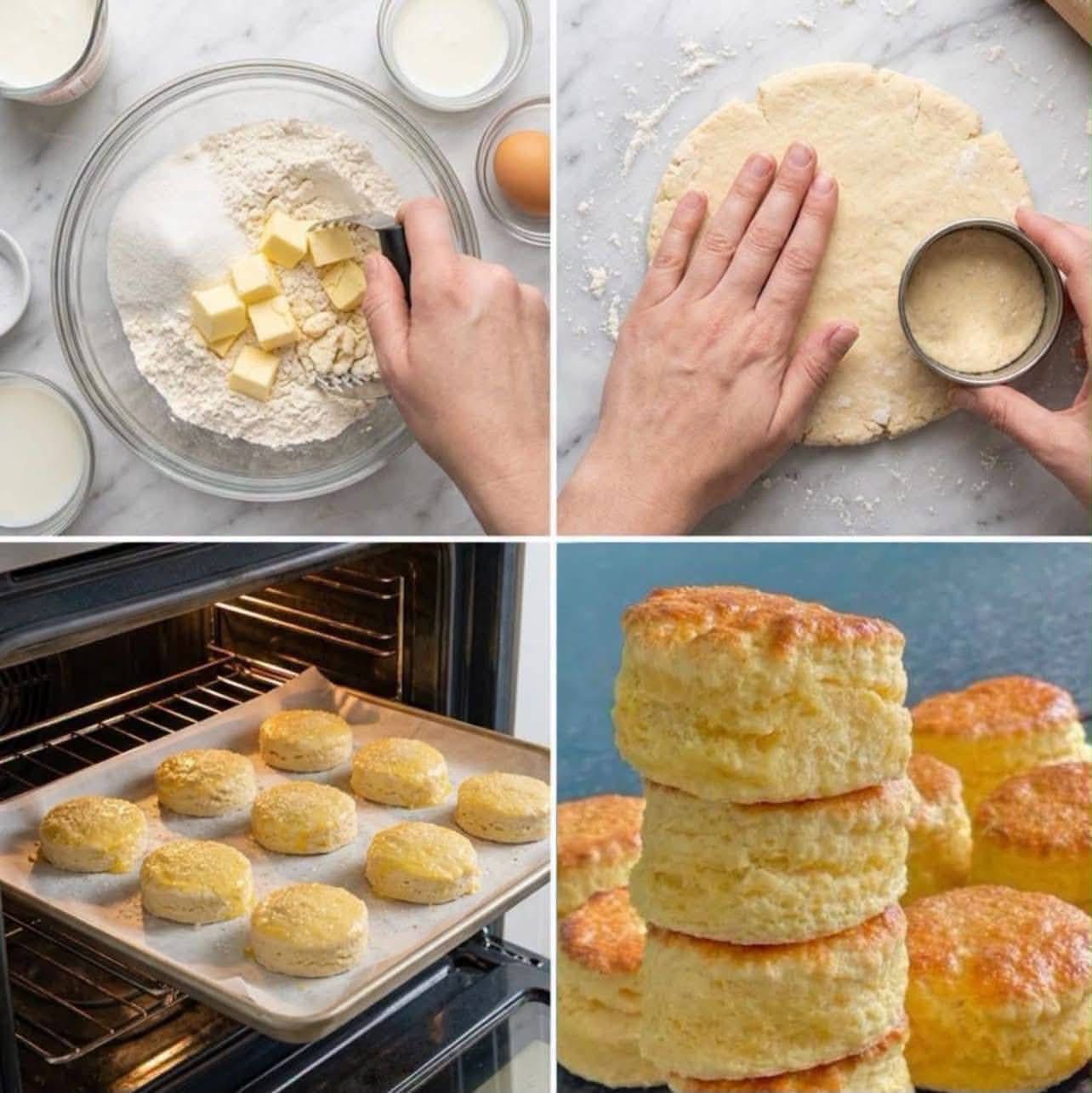
- Add the cold butter and rub it into the flour with your fingertips until the mixture resembles coarse crumbs.
- Add the cold milk or cream and vanilla. Stir gently until a soft dough forms.
- Transfer the dough to a lightly floured surface and gently bring it together. Do not knead excessively.
- Shape the dough into a round about 1 inch (2.5 cm) thick.
- Cut into 8 wedges or use a round cutter to make individual scones.
- Place the scones on the prepared tray.
- Brush the tops lightly with beaten egg.
- Bake for 12–15 minutes, or until puffed and golden.
- Cool slightly and serve warm with jam, fruit, or cream.
Description
These homemade scones have a beautifully golden exterior with a soft, tender interior. They are buttery without being overly rich and have just enough sweetness to pair perfectly with fruit preserves, honey, or a warm cup of tea.
Nutritional Information
Approximate per scone, without toppings:
- Calories: 230–260
- Protein: 5 g
- Carbohydrates: 32 g
- Fat: 10 g
- Fiber: 1 g
- Sugar: 5 g
Nutritional values vary depending on the exact ingredients and portion size.
Conclusion
Scones are an easy and versatile baked treat that brings together simple ingredients and comforting flavors. Whether enjoyed traditionally with jam or customized with fruit, chocolate, spices, or nuts, they are perfect for sharing.
Recommendation
For the best experience, serve the scones warm shortly after baking with your favorite jam and fresh fruit. For a lighter everyday option, pair one scone with yogurt or fruit rather than using a large amount of rich topping.
Embracing Healthful Indulgence
Scones can absolutely be part of a balanced approach to eating. Enjoying a homemade portion allows you to control the amount of sugar and richness while adding wholesome ingredients such as dried fruit, nuts, whole-grain flour, or fresh fruit. The goal is not to eliminate indulgence, but to enjoy it thoughtfully and in moderation.