
Introduction
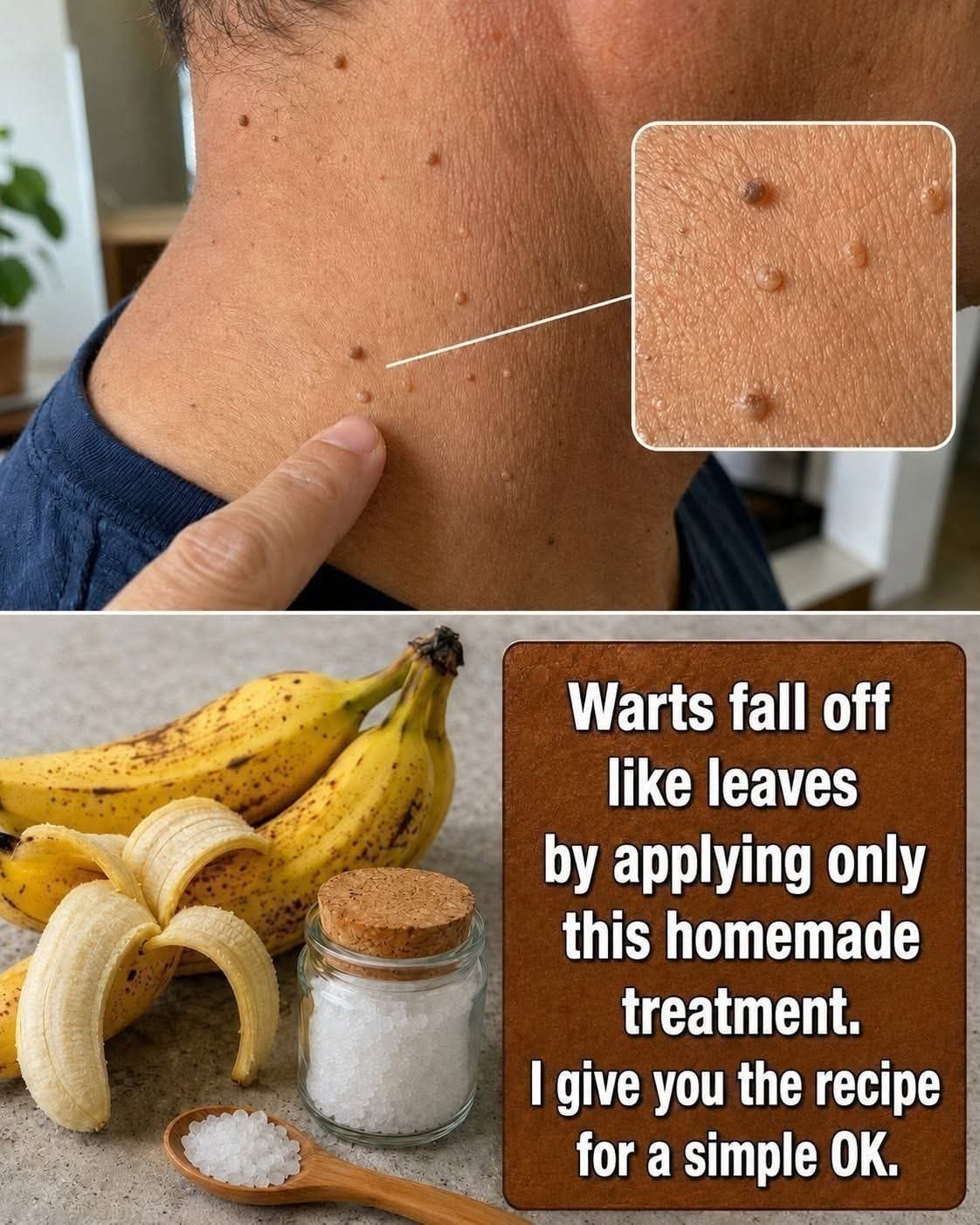
Warts are common skin growths caused by certain types of human papillomavirus (HPV). They can appear on areas such as the hands, feet, knees, or other parts of the skin. Many warts eventually disappear on their own, although this can take months or even longer.
Natural remedies, including banana peel, are often shared online as simple home treatments. However, there is not strong scientific evidence that banana peel can reliably remove warts. For a more evidence-based approach, dermatologist-recommended treatments such as salicylic acid may be appropriate for certain common warts.
Origin
Using fruits, plants, and other household ingredients for skin care has a long history in traditional home remedies around the world. Banana peel has become particularly popular as a folk remedy because it is inexpensive and easily available.
However, traditional use does not necessarily mean that a treatment has been scientifically proven to work. Banana peel should therefore be viewed as a traditional remedy rather than a medically established wart treatment.
Cultural Significance
Natural home remedies are part of many cultural traditions. They often reflect a desire to use simple, accessible ingredients and reduce waste by finding additional uses for foods and plants.
The growing popularity of banana peel for skin concerns also demonstrates how traditional knowledge can spread rapidly through social media. While these traditions can be interesting, health claims should be checked against reliable medical evidence.
Ingredients
For a gentle, informational discussion of the traditional banana-peel remedy, the main ingredient is:
- Fresh banana peel
- Mild soap
- Clean water
- A clean bandage, if needed
Important: Avoid mixing strong, acidic, or irritating household ingredients together and applying them to a wart. Natural substances can still cause skin irritation or damage.
Quantity
- 1 small piece of clean, fresh banana peel
- Mild soap and water for cleansing the surrounding skin
- 1 clean bandage, if advised by a healthcare professional
Because banana peel has not been established as an effective wart treatment, there is no medically proven quantity or schedule for using it.
Optional Additions
Rather than adding potentially irritating natural ingredients, safer options include focusing on basic skin hygiene and using a properly labeled, evidence-based wart treatment when appropriate.
For common non-genital warts, salicylic acid is one of the best-supported topical treatments, although it should be used according to the product instructions and may not be suitable for everyone.
Tips for Success
- Make sure the growth is actually a wart before attempting treatment.
- Avoid picking, scratching, or cutting the wart.
- Wash your hands after touching it.
- Do not share towels or personal items that may come into contact with a wart.
- Stop any treatment that causes significant irritation or discomfort.
- Follow the instructions on any pharmacy wart treatment carefully.
Warts can spread to other areas of the body or to other people, so good hygiene and avoiding picking at them are important.
Instructions
A safer approach to wart care
- Identify the problem carefully. Not every skin growth is a wart.
- Keep the area clean with mild soap and water.
- Avoid picking or scratching the affected area.
- Consider an evidence-based treatment for an appropriate common wart, such as an over-the-counter salicylic acid product, following the package directions.
- Be patient. Wart treatments may take several weeks or longer to show results.
- Seek medical advice if you are unsure about the growth or if it does not improve.
Description
Banana peel is a soft plant material containing water, fiber, and various naturally occurring compounds. While it is commonly promoted online as a home remedy for warts, there is currently insufficient high-quality evidence to consider it a reliable treatment.
By contrast, salicylic acid has evidence supporting a modest improvement in wart clearance compared with placebo and is widely used in appropriate over-the-counter wart treatments.
Nutritional Information
Since this topic concerns a skin treatment rather than a food recipe, nutritional information is not directly relevant.
Banana peel does contain nutrients and plant compounds, but its nutritional composition does not demonstrate that applying it to the skin will treat or remove a wart.
Conclusion
Banana peel is an interesting traditional home remedy, but it should not be presented as a proven cure for warts. Scientific evidence supports certain established treatments more strongly, particularly salicylic acid for suitable common warts.
Some warts also disappear naturally without treatment.
Recommendation
If you have a small common wart and want to try home treatment, choose a properly labeled, evidence-based option and follow the instructions carefully. A pharmacist or healthcare professional can help you select an appropriate treatment.
Seek medical advice if the growth is on the face or genital area, is painful, bleeding, changing in appearance, if there are many warts, or if you are not sure that it is actually a wart.
Embracing Healthful Indulgence
Natural ingredients can be fascinating, affordable, and culturally meaningful, but the healthiest approach is to combine curiosity about traditional remedies with reliable scientific information. Enjoy learning about ingredients such as banana peel while remembering that “natural” does not automatically mean effective or safe as a medical treatment.
When it comes to warts, gentle skin care, good hygiene, patience, and evidence-based treatment choices offer a more reliable path than relying on viral home-remedy claims alone.