
Introduction
Many viral health claims suggest that one particular seed can protect the pancreas, treat diabetes, burn fat, and provide unlimited energy. These claims are exaggerated. No single seed has been proven to cure diabetes or directly “burn fat.”
However, nutrient-rich seeds such as chia seeds, flaxseeds, and pumpkin seeds can be valuable additions to a balanced diet. They provide fiber, protein, healthy fats, and important minerals that may support fullness, steady energy, and overall metabolic health. Current research does not show that chia seeds alone significantly improve fasting blood glucose, HbA1c, or insulin levels, so they should not be presented as a diabetes treatment.
Origin
Seeds have been part of traditional diets around the world for thousands of years.
- Chia seeds originated in Central America and were historically consumed by ancient civilizations.
- Flaxseeds have a long history of cultivation and use in the Middle East and other parts of the world.
- Pumpkin seeds have also been consumed in many traditional cuisines as a nutritious food.
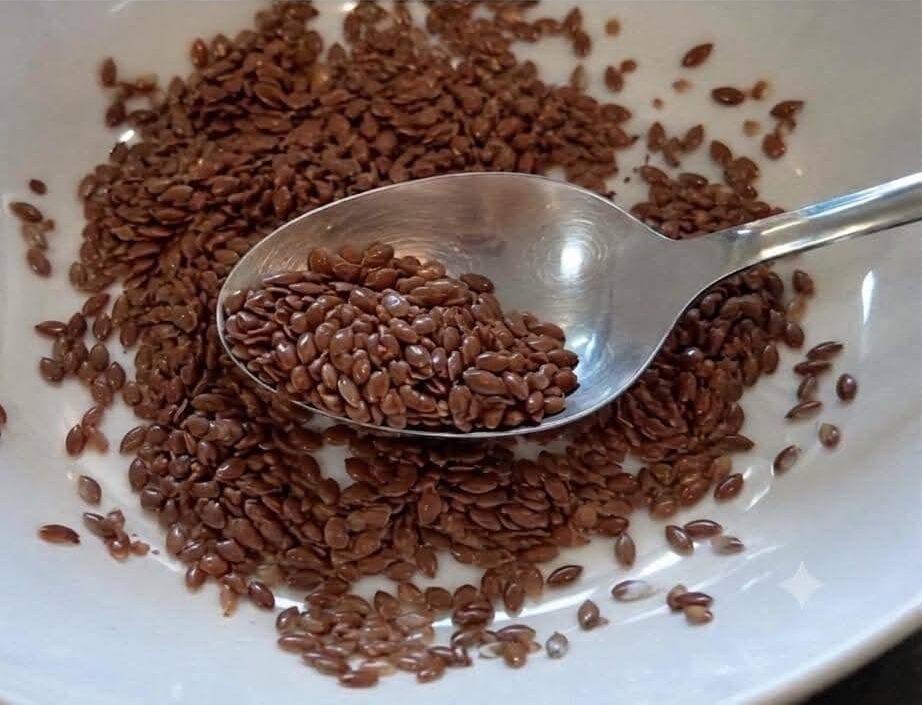
Flaxseed, in particular, has a long history of traditional use for both food and other purposes.
Cultural Significance
Seeds are valued in many cultures because they are compact, versatile, and nutrient-dense. They can be added to breads, porridges, salads, sauces, smoothies, and other everyday dishes.
Today, chia, flax, pumpkin, sesame, and other edible seeds are often described as functional foods because they contain dietary fiber, unsaturated fats, protein, minerals, and various bioactive compounds.
Ingredients
For a simple seed energy and fiber bowl, you will need:
- Chia seeds
- Ground flaxseed
- Pumpkin seeds
- Plain yogurt or a plant-based alternative
- Fresh fruit
- Water or milk, if desired
Quantity
For one serving:
- 1 tablespoon chia seeds
- 1 tablespoon ground flaxseed
- 1 tablespoon pumpkin seeds
- ½ cup plain yogurt
- ½ cup fresh berries or another fruit
- 2–4 tablespoons water or milk, if needed
These amounts can be adjusted according to personal dietary needs and preferences.
Optional Additions
You may add:
- Cinnamon
- Unsweetened cocoa powder
- A small amount of nut butter
- Oats
- Sliced banana
- Fresh berries
- A small amount of honey for sweetness
For people managing blood sugar, it is generally sensible to pay attention to portions and added sugars.
Tips for Success
- Choose variety. Different seeds provide different nutrients.
- Use ground flaxseed if you prefer it mixed into foods.
- Increase fiber gradually and drink enough fluids.
- Watch portion sizes. Seeds are nutritious but also calorie-dense.
- Choose unsweetened ingredients when possible.
- Do not rely on seeds or supplements as a replacement for prescribed diabetes treatment.
The NCCIH warns that products claiming to be a “natural diabetes cure” or replacement for diabetes medicine should not replace effective medical treatment.
Instructions
- Place the yogurt in a bowl.
- Add the chia seeds and ground flaxseed.
- Stir well.
- Add the fresh fruit.
- Sprinkle the pumpkin seeds on top.
- Add a small amount of water or milk if you prefer a softer consistency.
- Let the mixture sit for a few minutes so the chia seeds can absorb moisture.
- Enjoy as a balanced breakfast or snack.
Description
This simple bowl combines several nutrient-dense foods into one meal. The seeds contribute fiber, healthy unsaturated fats, protein, and minerals, while fruit adds natural sweetness and additional nutrients.
Some small studies have found that adding certain seeds to meals may influence post-meal blood glucose responses, but these findings do not mean that seeds cure or treat diabetes. More long-term research is needed.
Nutritional Information
The exact nutritional value depends on the brands and quantities used. In general, a serving containing chia, flaxseed, pumpkin seeds, yogurt, and fruit may provide:
- Dietary fiber for digestive health and fullness
- Protein to support normal growth and body functions
- Unsaturated fats
- Minerals, including magnesium and zinc
- Natural carbohydrates from fruit
- Energy from a combination of fats, carbohydrates, and protein
Edible seeds are widely recognized as nutrient-dense foods containing fiber, protein, unsaturated fats, vitamins, minerals, and bioactive compounds.
Conclusion
Seeds can be a nutritious part of a healthy eating pattern, but the idea that one seed can protect the pancreas, cure diabetes, and melt away body fat is not supported by strong scientific evidence.
Instead, it is more accurate to say that foods such as chia, flax, and pumpkin seeds can contribute valuable nutrients to a balanced diet. For diabetes or other health conditions, they should complement—not replace—guidance from a qualified healthcare professional.
Recommendation
Enjoy a variety of seeds as part of meals containing vegetables, fruits, whole grains, protein-rich foods, and healthy fats. Focus on consistent healthy habits rather than miracle-food claims.
If you have diabetes or another medical condition, follow your healthcare professional’s advice and do not change prescribed treatment based solely on claims about natural foods or supplements.
Embracing Healthful Indulgence
Healthy eating does not have to be boring or restrictive. A colorful bowl of yogurt, fruit, and nutrient-rich seeds can be both satisfying and enjoyable. By choosing a variety of wholesome foods and avoiding unrealistic promises, you can appreciate the benefits of nutritious ingredients while keeping health claims grounded in evidence.
Remember: Seeds can support a balanced diet and provide valuable nutrients, but no single seed is a proven cure for diabetes or a guaranteed fat-burning solution.